Recording Emulations
Emulation Timeline
Mar – Jun. 2023 Project Launch
The Sydney Conservatorium of Music
The Shock of the old: Recording Emulation Module
Aural Analysis
Background work: refer to written sources about practices and think about relationship of recorded to written evidence: what words are used to describe sounds and practices; develop vocabulary to describe what you hear; use simple terms to describe the subtleties of practices, for example, speed, colour, timbre, quality, density, frequency.
– careful and repeated (close) listening
– bar by bar analysis
– annotating the practices in the score
– determining timbres and elements of musical expressivity—vibrato, portamento, legato, messa di voce, rhythm and tempo alterations (including agogic accents), dynamics, accents, ornaments and ornamentation, improvisational aspects timbral qualities, registers, coup de glotte, larynx/soft palate positions/pharyngeal shape/space, enunciation, vowel modification (refer to Manuel García Ecole 1840 and subsequent publications)
– Use software to help determinations, for example:
Sonic Visualiser – spectrograms;
b) Reaper – to slow down recordings and measure aspects such as vibrato undulations;
c) AI to split recorded singer from piano
– develop idiosyncratic notational practices: adopting signs, symbols and words that are meaningful as ‘aide memoire’, prompts etc.
– Evaluating your own recording like you do the original recording
Imitation
Practise by Imitating: using your ears, developed musicality and technical skills
– imitating the recording: rhythm, tempo, vibrato, portamento, accents, articulations, ornamentation, asynchrony, accents, articulations, ornamentation and other interpretative facets.
– learning one bar to satisfaction before moving on to the next bar
– recording a larger section and then comparing it with the recording
– singing along with the recording
– developing your own techniques, using multiple technologies
– performing the emulation to expert listeners/team (peer review)
– repeating the process until the work feels natural/embodied
– recording final result, evaluating
Application and Extrapolation
– apply new knowledge creatively to other (larger) works. This is where the fun begins.
– keep comparing what you do with written source evidence
Sept. 2023 Early Music Ensemble
Sydney Conservatorium of Music Greenway Series
SCM Early Music Ensemble: Re-engaging the Art of Story Telling in Music
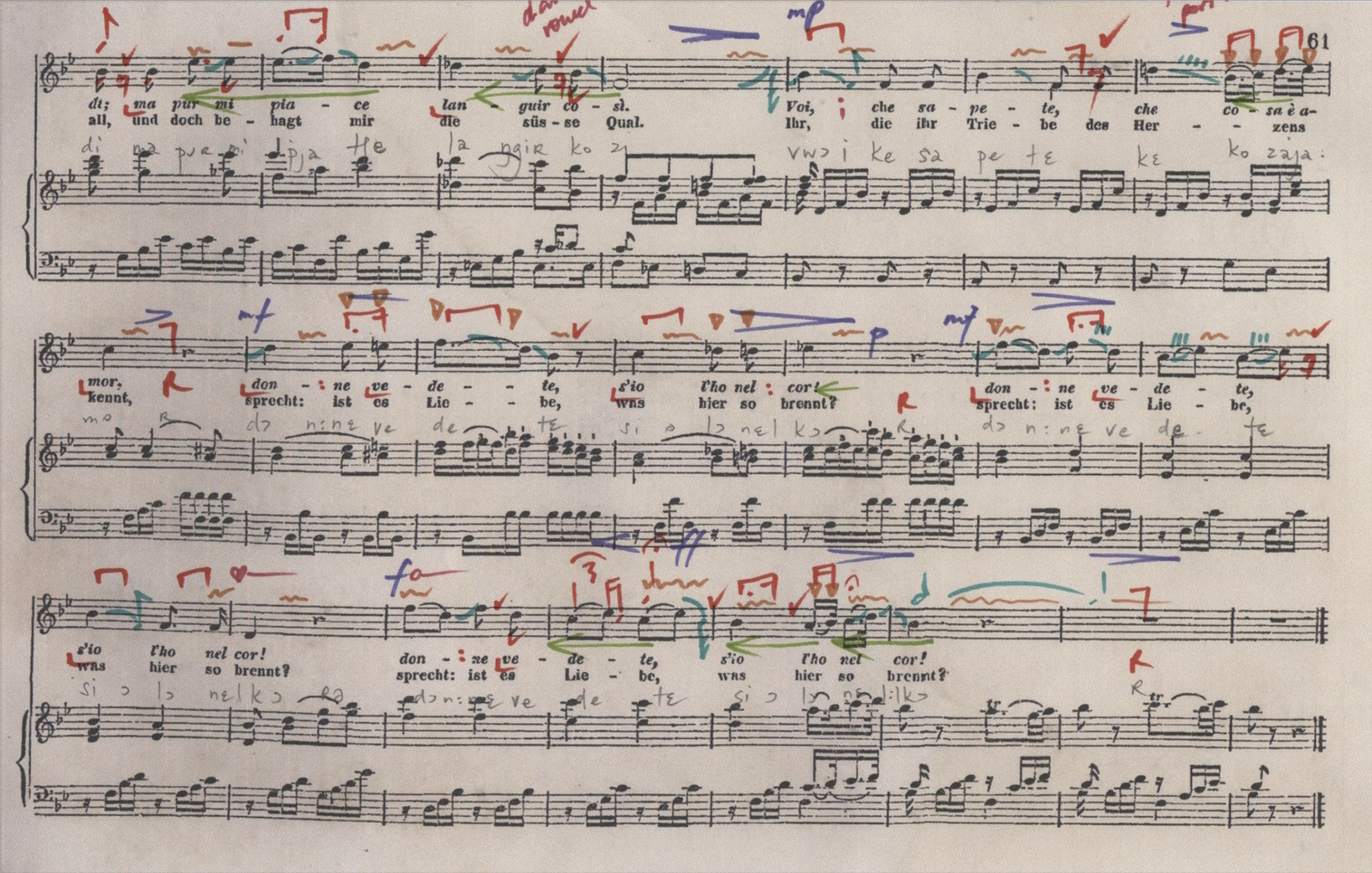
“Voi che sapete” from Marriage of Figaro by Mozart
Emulation by Anna Fraser
What did Beethoven’s famous Fifth Symphony sound like at the first Viennese performance in 1808? And how did the Italian soprano Dorotea Bussani (1763–1809) transmit Cherubino’s crazed infatuation for the Countess to the audience, in Mozart’s aria “Voi che sapete” at the 1787 premier of his opera The Marriage of Figaro in Vienna? Without a time machine we will never find the answers to these questions. But, one thing is certain: musicians (singers and instrumentalists) from the eras of Mozart, Beethoven, Schubert and other composers of the 18th and 19th centuries delivered music in imaginatively expressive ways that projected stories to the audience. Through the employment of a myriad of expressive devices including inflections of tone and timing, musicians took their listeners on scintillating journeys, sometimes whispering, sometimes shouting, at times calm, sorrowful or languid, at others frantic or angry.
Relief from the devilish strains of this movement comes in Mozart’s delectable aria “Voi che sapete” recorded in 1905 by Adelina Patti (1843–1927), arguably the most celebrated soprano of the 19th-century. Patti’s way of expressing the feverish adoration of Cherubino for the Countess is extraordinary by modern standards. She makes frequent changes of tempo to underscore sentimental words or to ignite passionate phrases, modifies vocal timbre to match ever-changing emotions, and employs sliding effects and expressive tremolo to provide particular poetic colouring. It is tantalising to ponder that Patti’s singing preserves remnants at least of the style of singing Mozart heard and expected from a singer such as Dorotea Bussani!
Patti’s recording is followed by our performance of the aria, sung by Anna Fraser who is currently exploring historical bel canto techniques in her doctoral studies at SCM as team member on the Australian Research Council funded Discovery Project The shock of the old: rediscovering the sounds of bel canto 1700–1900. Anna has emulated and embodied Patti’s style of singing this aria in a very detailed manner to understand her sound world. Likewise, the Early Music Ensemble has emulated orchestrally the effects evident in the playing of Patti’s collaborative pianist.
Lorenzo da Ponte (1749–1838)
“Voi che sapete” (English translation)
Voi che sapete che cosa è amor,
donne, vedete s’io l’ho nel cor.
Quello ch’io provo vi ridirò,
è per me nuovo, capir nol so.
Sento un affetto pien di desir,
ch’ora è diletto, ch’ora è martir.
Gelo e poi sento l’alma avvampar,
e in un momento torno a gelar.
Ricerco un bene fuori di me,
non so chi’l tiene, non so cos’è.
Sospiro e gemo senza voler,
palpito e tremosenza saper.
Non trovo pace notte né dì,
ma pur mi piace languir così.
Voi che sapete che cosa è amor,
donne, vedete s’io l’ho nel cor.
You who know what love is,
Women, see whether it’s in my heart.
What I am experiencing I will tell you,
It is new to me and I do not understand it.
I have a feeling full of desire,
That now, is both pleasure and suffering.
At first frost, then I feel the soul burning,
And in a moment I’m freezing again.
Seek a blessing outside myself,
I do not know how to hold it, I do not know what it is.
I sigh and moan without meaning to,
Throb and tremble without knowing,
I find no peace both night or day,
But even still, I like to languish.
You who know what love is,
Women, see whether it’s in my heart.


Oct. 2023 Greenway Series: Government House
Hearing the Music of Early NSW:
Music of the 1840s at Warrane and Government House Sydney
This evening’s concert is created by the research team on the project ‘Hearing the Music of Early NSW, 1788-1860’ funded by the Australian Research Council. In this project, we are working with historical records of music making and hearing the music anew – in historic venues and places like the one we gather in tonight. Our aim is to retell this history of music in the state now known as NSW by combining distinct approaches to revitalising Indigenous knowledges with rediscovery of historical non-Indigenous performance.
“Home, Sweet Home” by Sir Henry R. Bishop
An emulation of Adelina Patti’s 1905 recording by Anna Fraser
Original 1905 recording of “Home, Sweet Home” by Adelina Patti
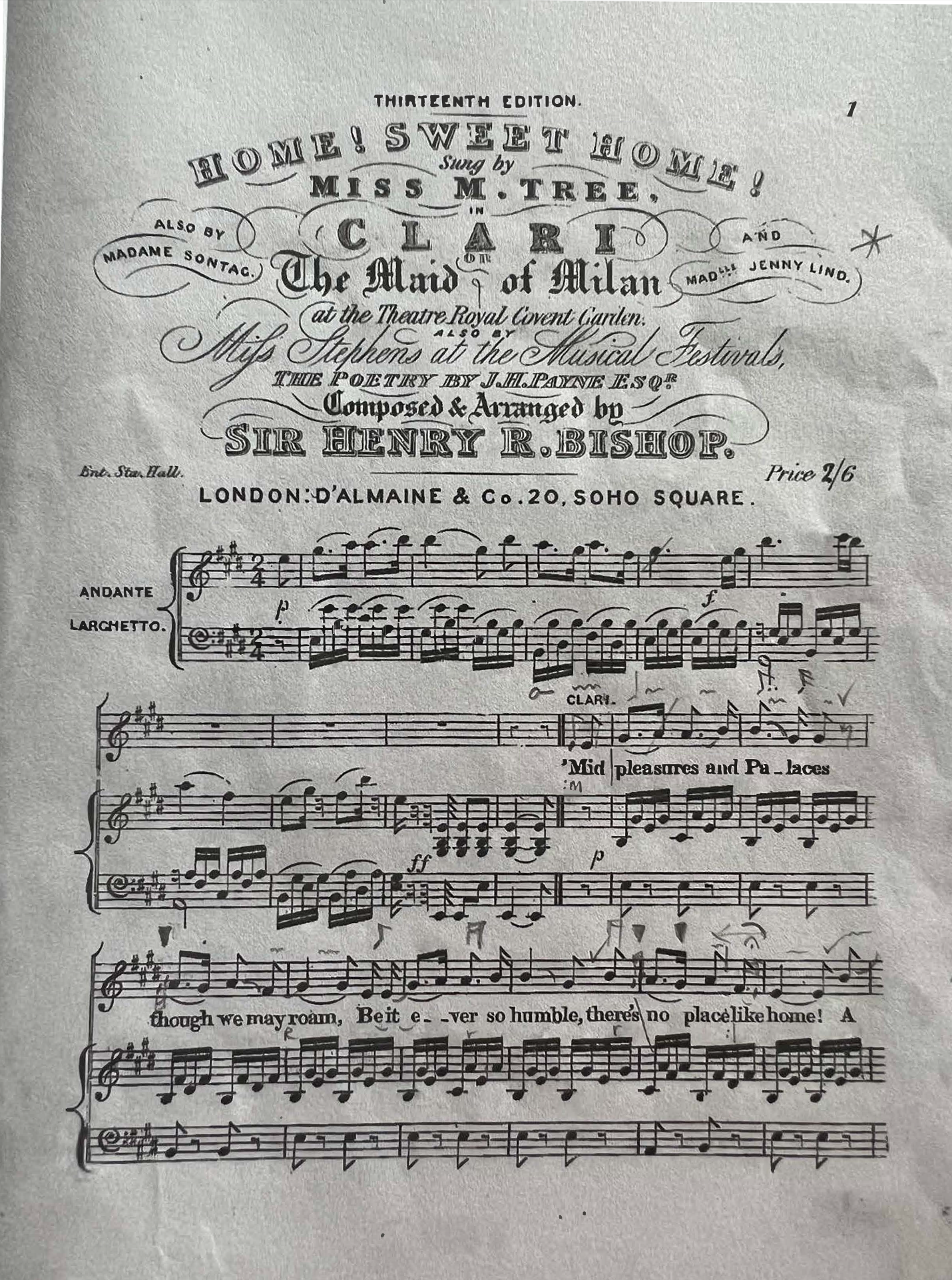
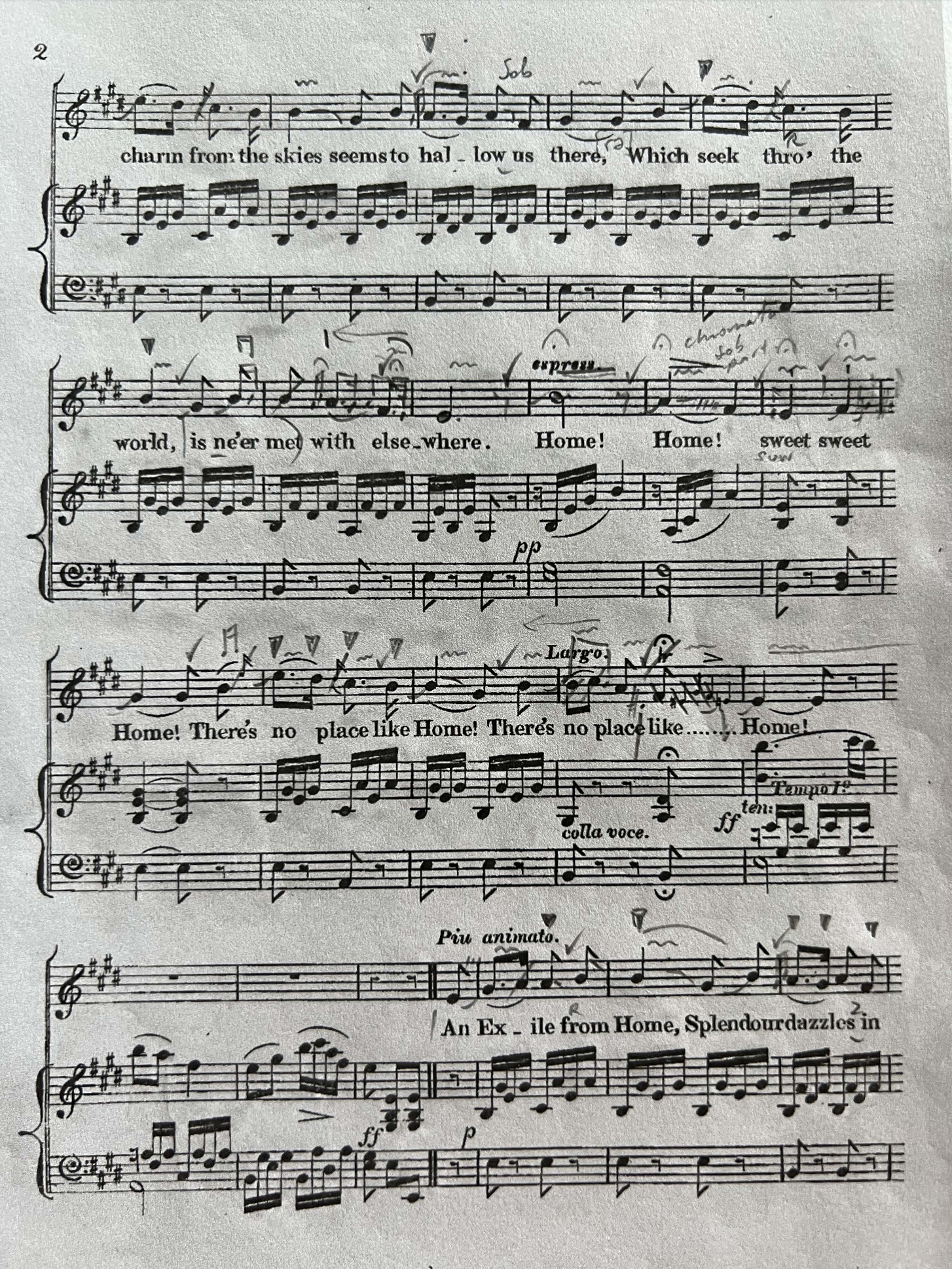
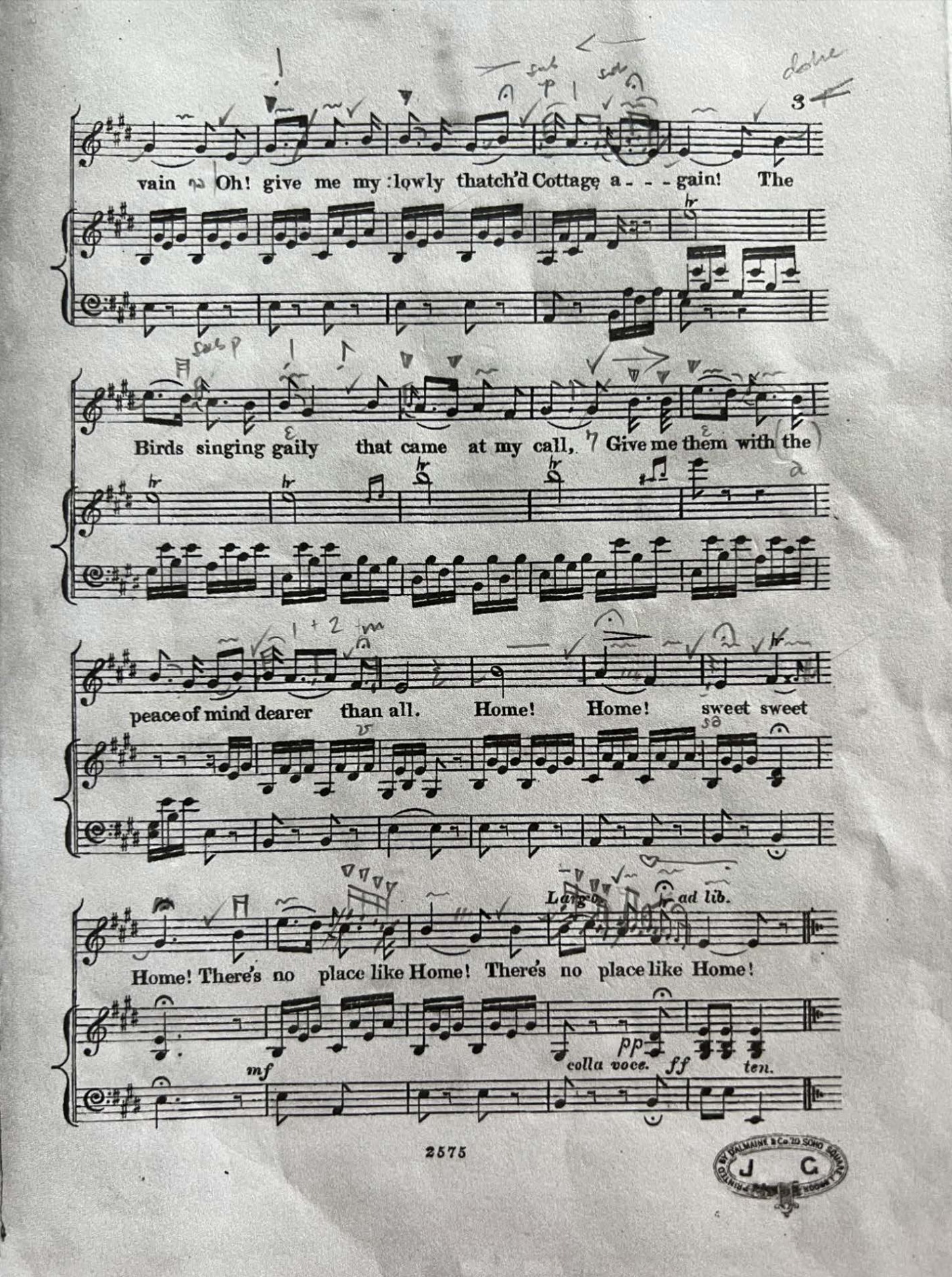
“Home, Sweet Home” performed by Soprano Anna Fraser and the Sydney Conservatorium of Music’s Early Music Ensemble, conducted by Neal Peres Da Costa
Jul. 2024 Workshops with Clive Brown
Dec. 2024 Vienna Symposium
Reimagining the sound world of 18th-century singers using practice-led and extrapolative methods
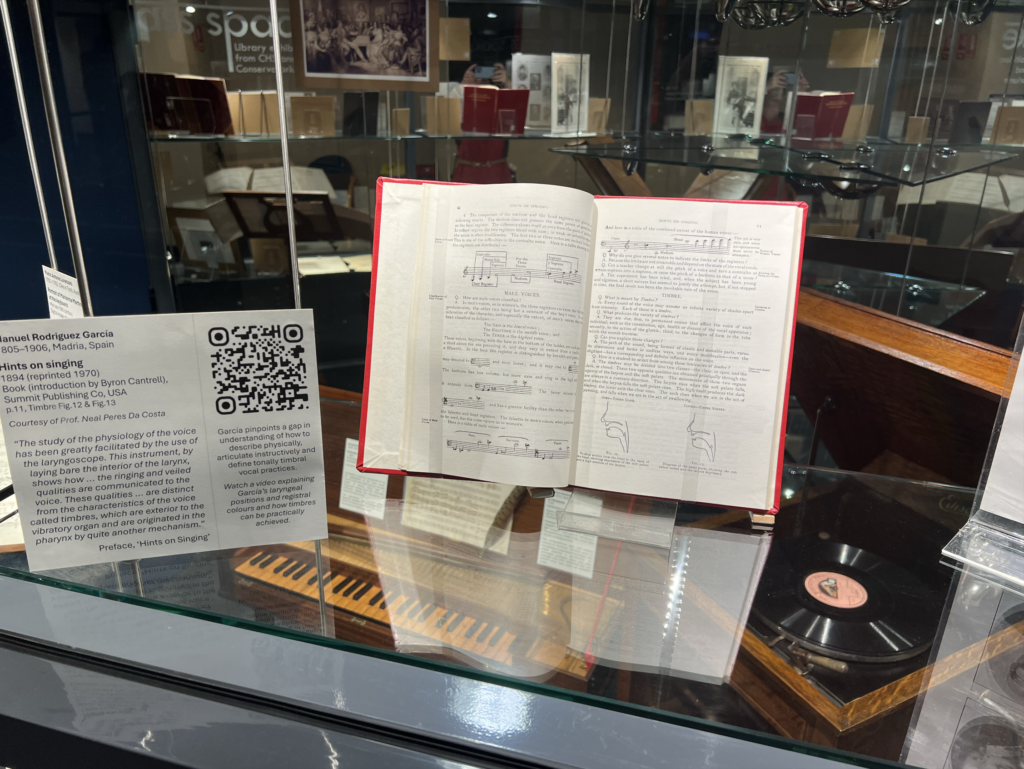
Is it possible to re-imagine sonically how late 18th-century singers sounded? Currently, classical singing displays little understanding of the continuum of creative practices that existed in the 18th and 19th centuries. Documentary evidence describes how singers actively engaged with expressive techniques in improvised ways, including tempo rubato, rhythmic alteration and agogic accentuation, ornamentation, varied registral colours, sliding and trembling effects and flexible laryngeal positions in order to “[demonstrate] the performer’s unique talents as a creative artist” (John Potter, 2012, p.93). The celebrated pedagogue and inventor of the laryngoscope Manuel García II (1805–1906) was the first to describe these practices in physiological detail, but how can researchers today reconstruct such practices without being able to reference sounded evidence of historical voices? Our recent work in embodiment—a relatively new practice-led method in music research—has paved the way to build new knowledge of pre-recording era bel canto.
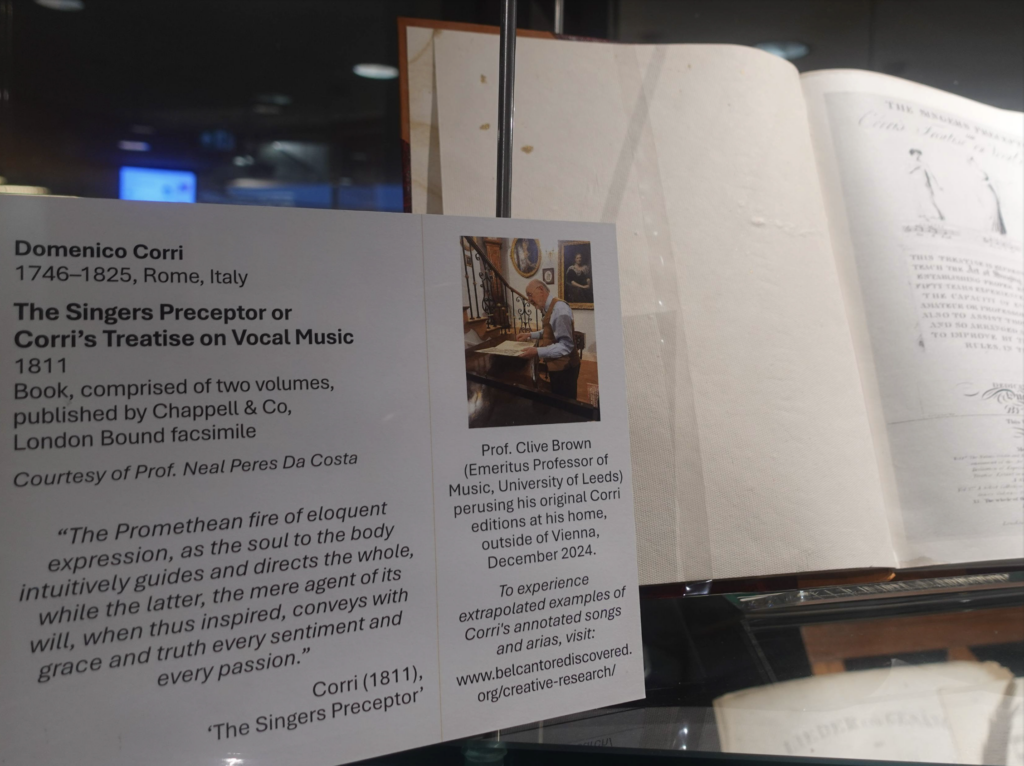
This is a systematic process involving i) emulation (imitation) of bel canto singers’ creative practices as preserved on early recordings. This provides an historically appropriate basis for ii) sonifying documentary evidence through practical experiments, to reimagine earlier sonic atmospheres and styles. This has afforded us, as modern trained singers, rich opportunities to expand the palette of expressive devices available to us, and to explore what these earlier practices feel like in our bodies. In this presentation we will cross-reference the recordings of star bel canto singers, including those from the García lineage—Emma Eames, Nellie Melba, and Emma Calvé, as well as Adelina Patti and Marcella Sembrich—with codified performance instructions given by García and a significant earlier vocal pedagogue Domenico Corri (1746–1825). These inspire artistic creativity in our novel interpretations of music by Handel, Mozart, Haydn, and J.C. Bach.
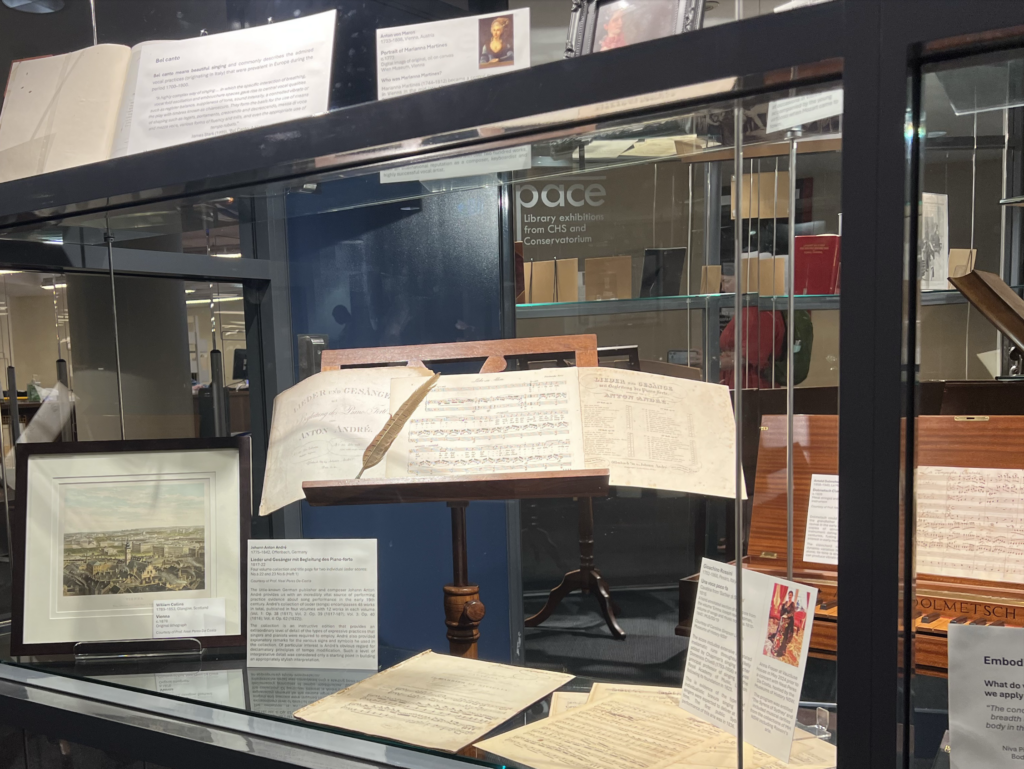
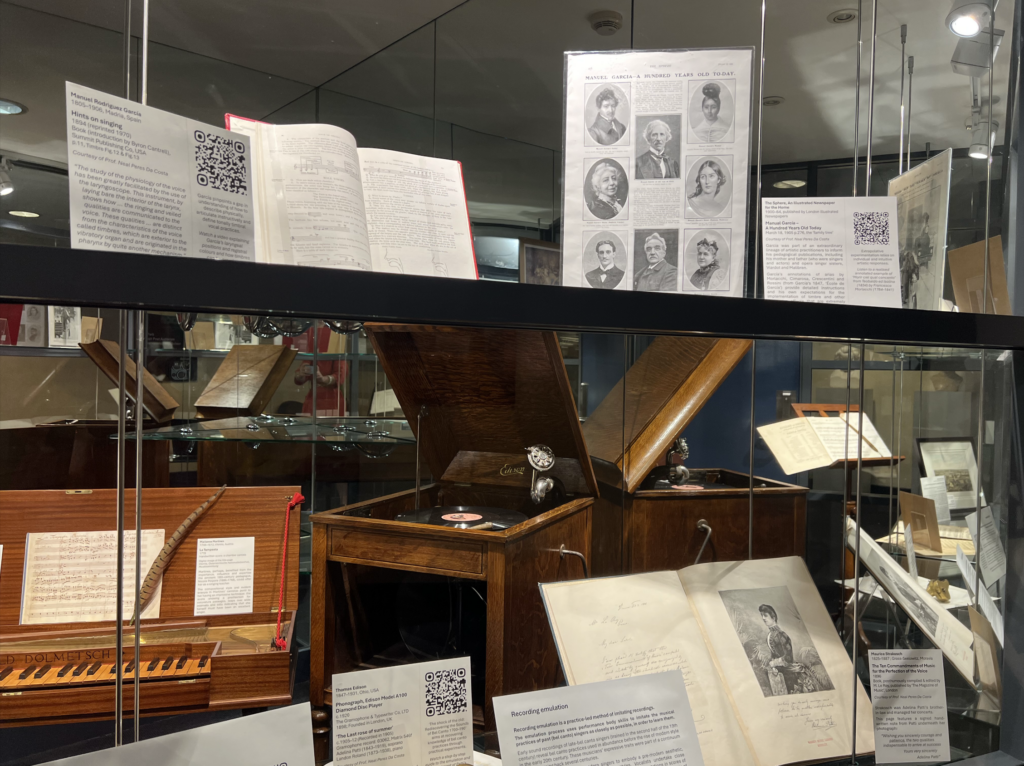
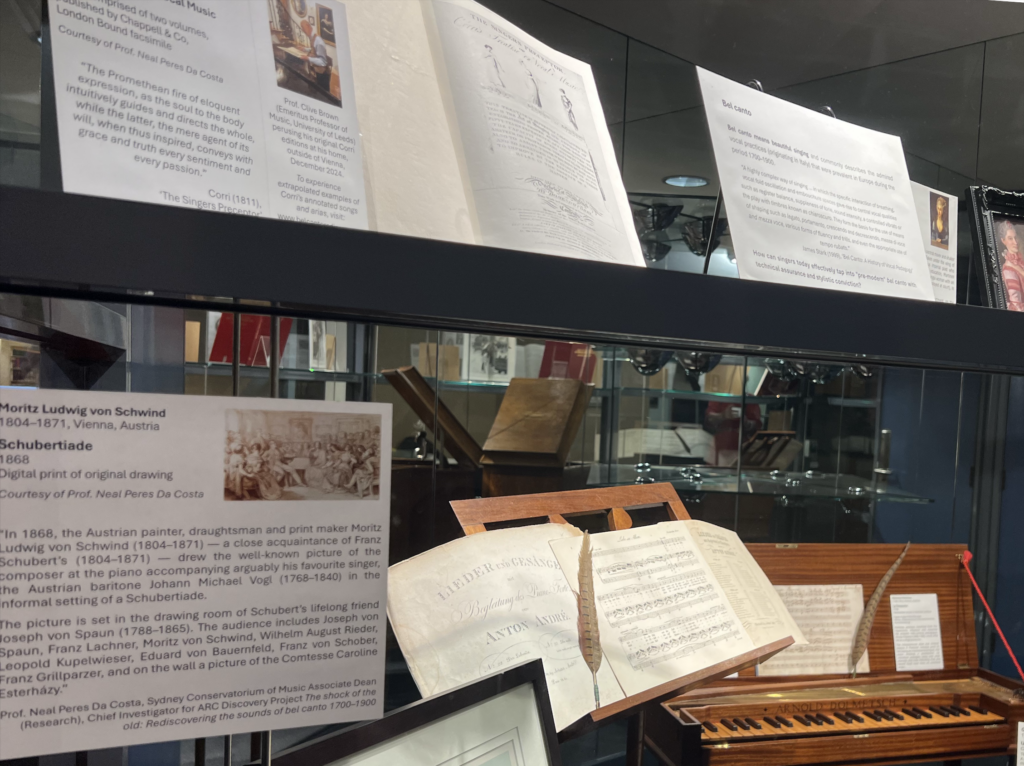
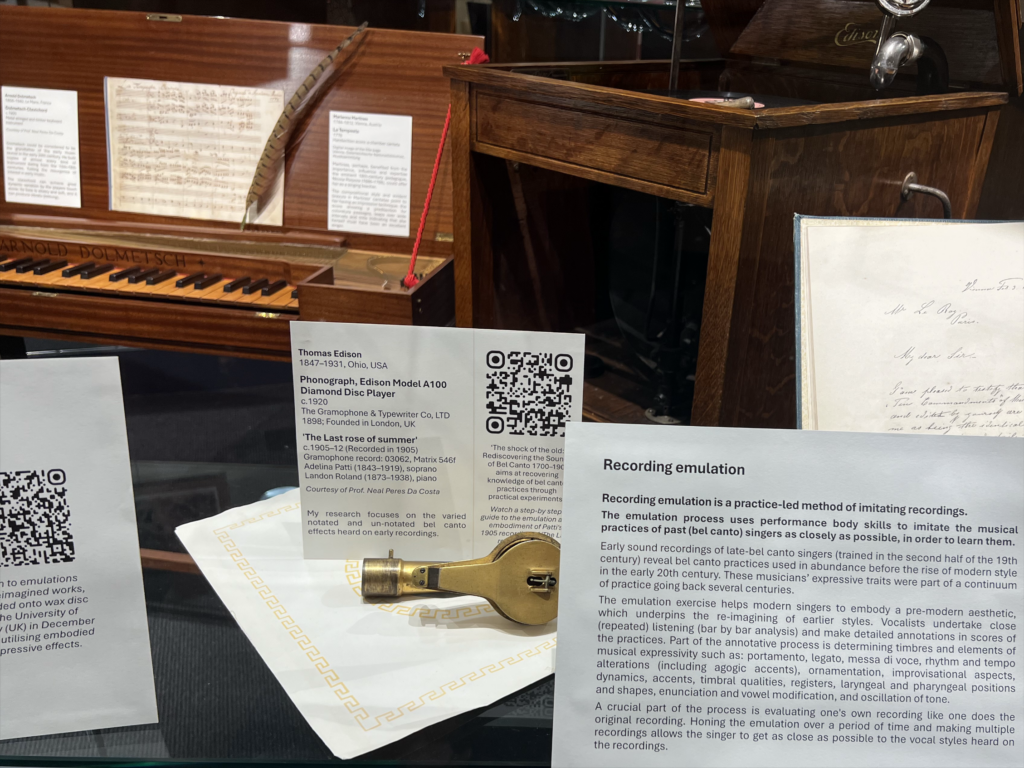
Mar. 2025 Library Exhibition
Influencers of Vienna
Sydney Conservatorium of Music
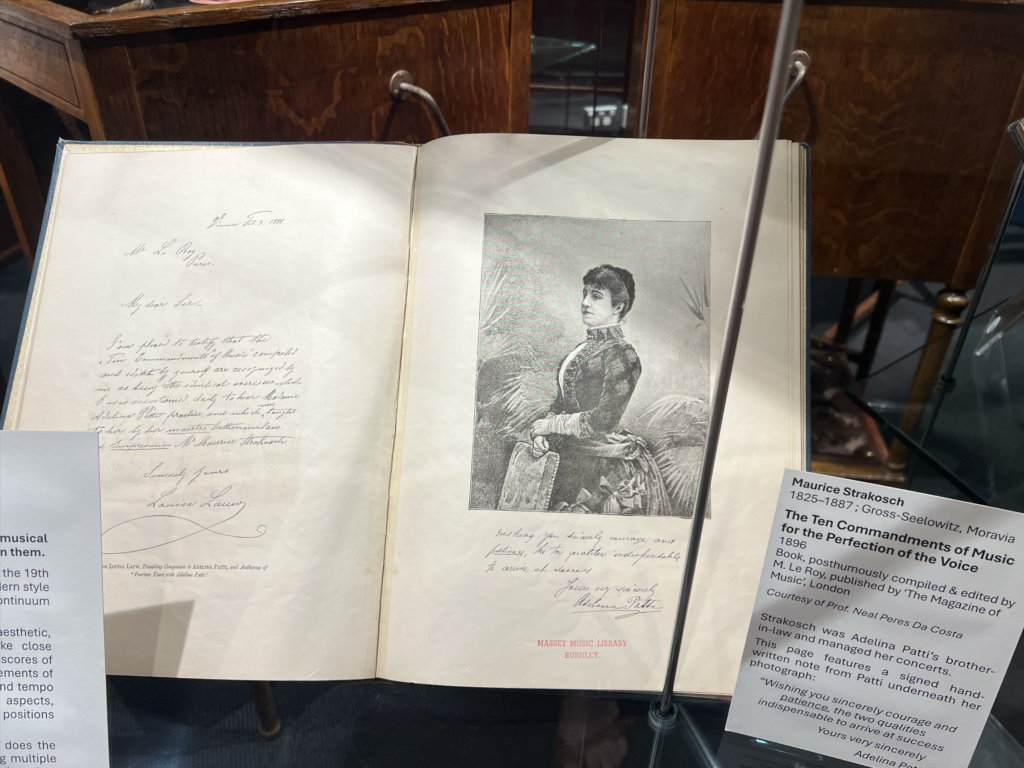
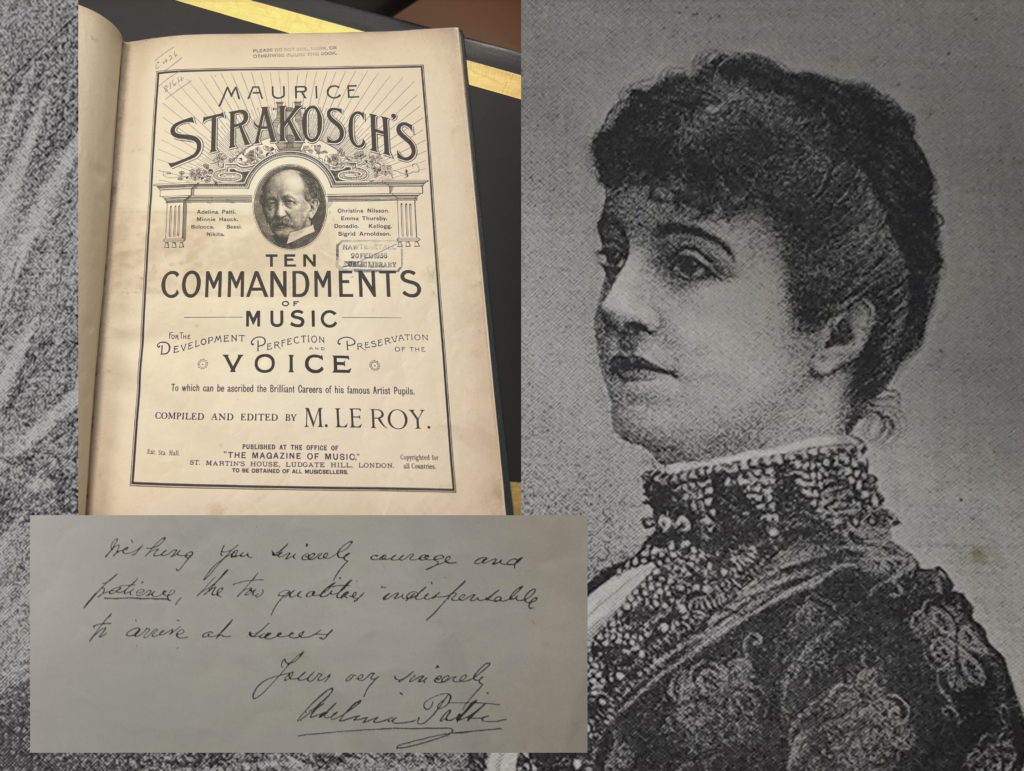
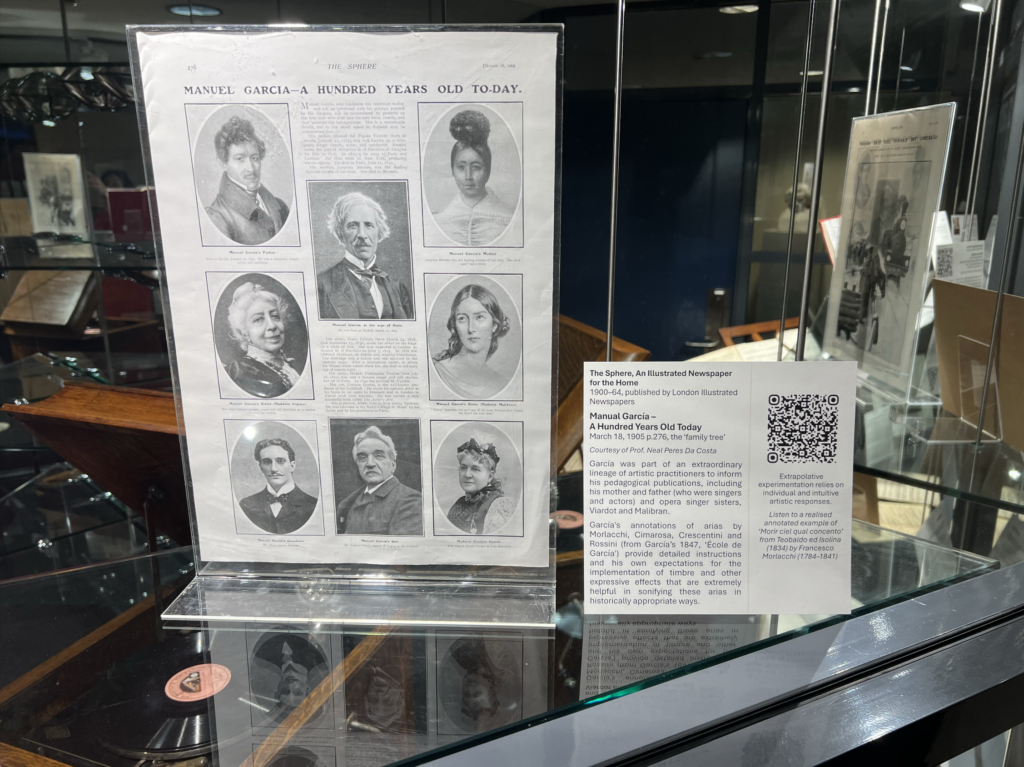
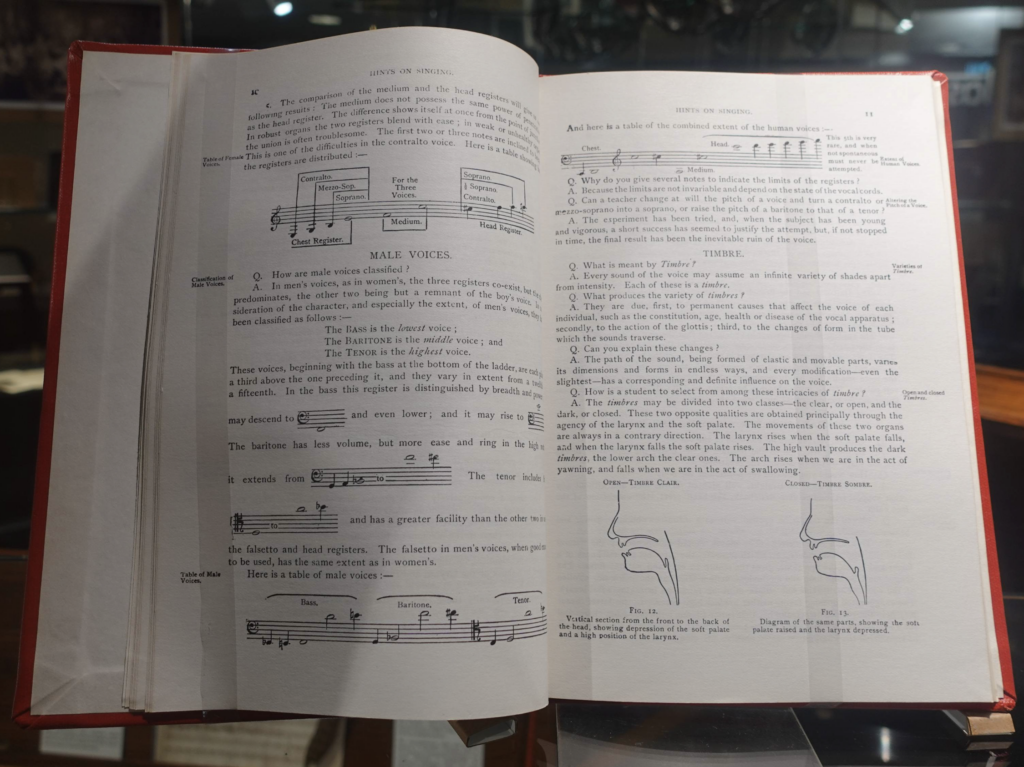
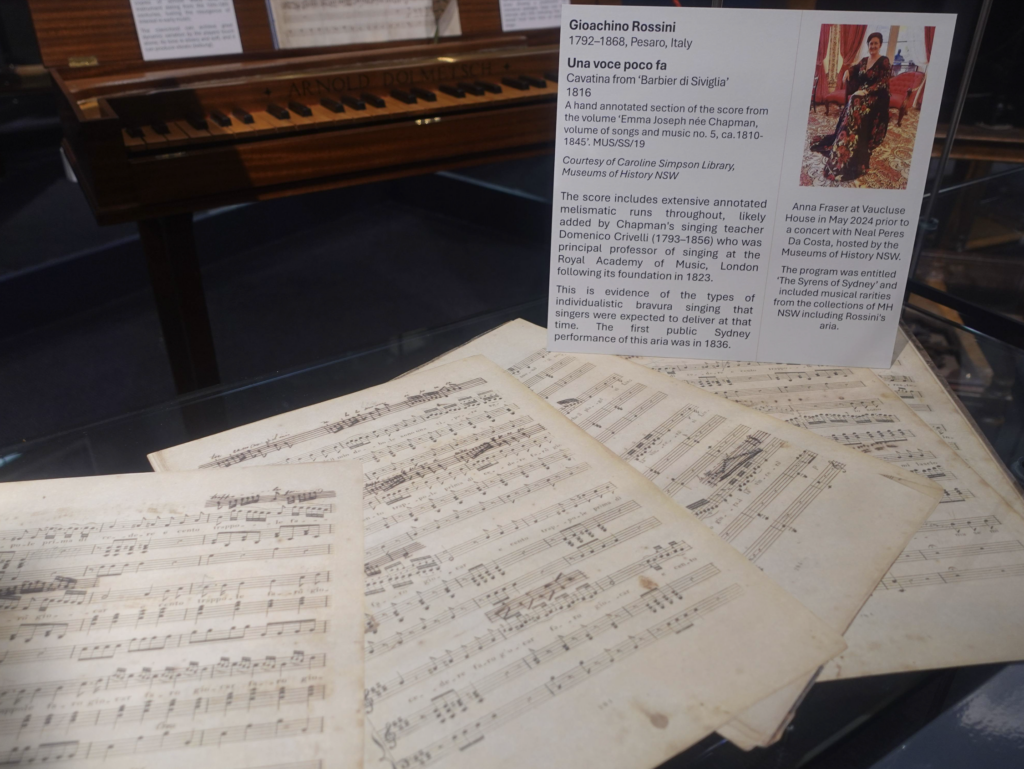
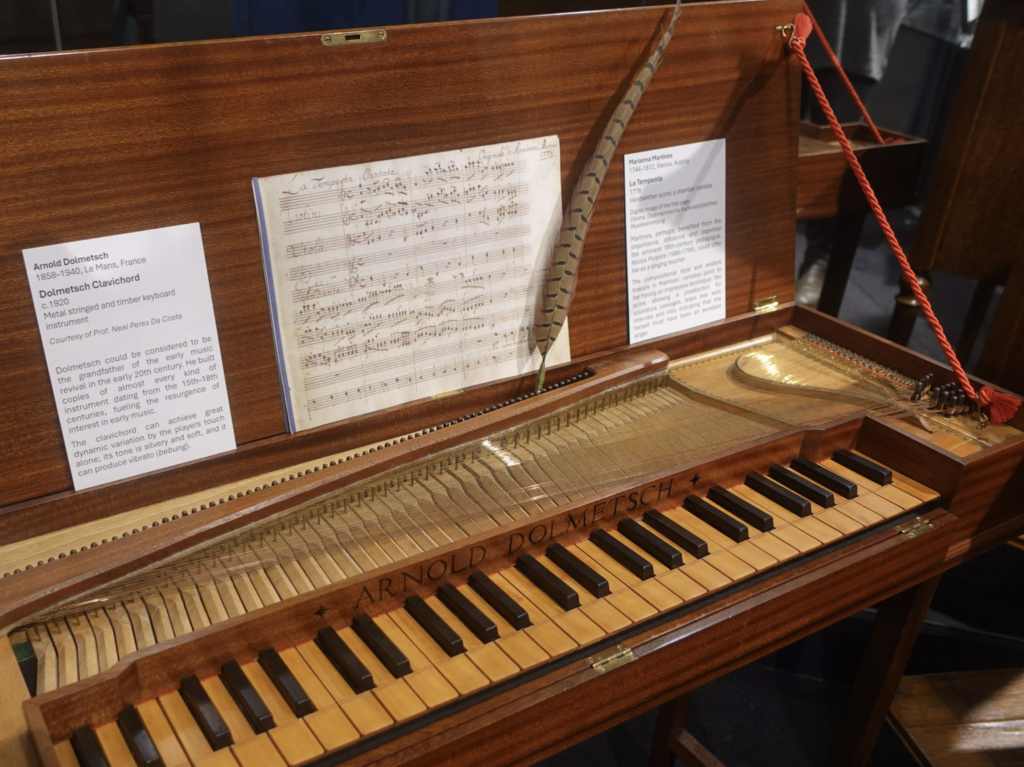
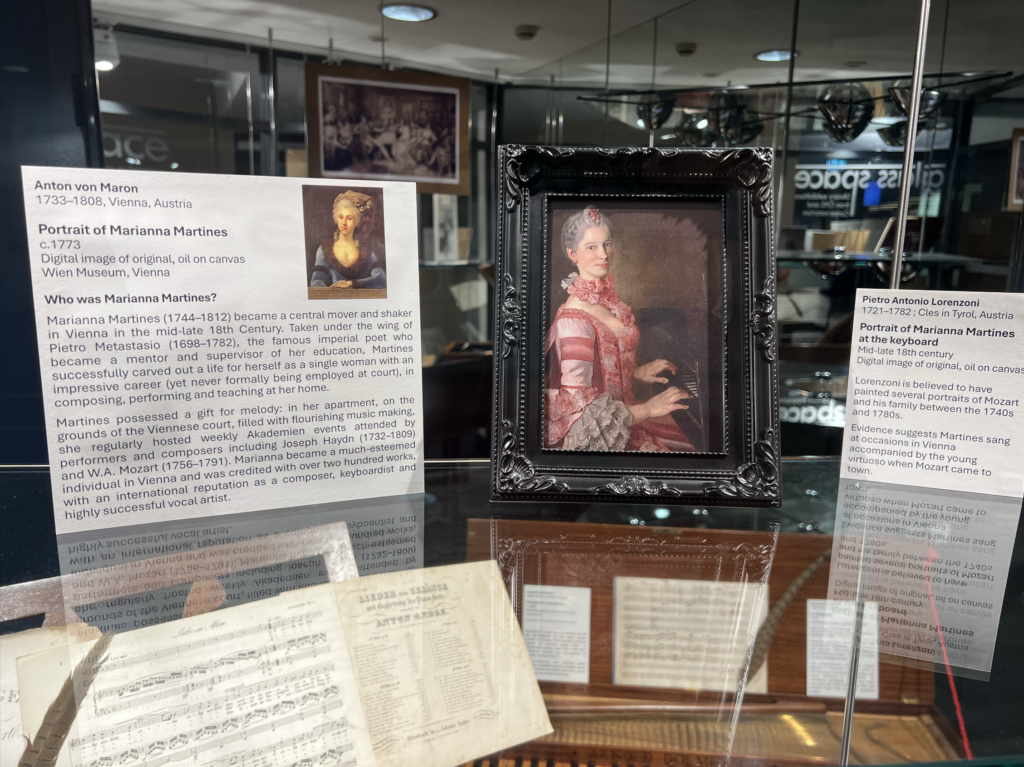
Is it possible to re imagine how late eighteenth-century singers sounded—and to reconstruct the spaces in which influential musical figures gathered to exchange ideas, techniques, and aesthetic values? Influencers of Vienna explores this question by sonically and scenographically, re-envisioning the learned musical environments of eighteenth- and early nineteenth century Vienna where figures such as Mozart, Haydn, Schubert, Metastasio, Porpora, and the remarkable Marianna Martines (1744–1812) shared expertise with highly trained listeners and practitioners.
Sept. 2025 Artistic Research Summit
Artistic Research in Practice, Musical Interlude #2
SCM Bel Canto Project (ARC DP22): Anna Fraser (USyd), Claire Burrell-McDonald (Griffith) Neal Peres Da Costa (USyd)
Emulation Output
In the 2023 Emulation Module, Vocalists employed a novel, practice-led method to emulate (imitate) historical recordings. The process uses performance body skills to reimagine musical practices from the past. Early sound recordings documented musicians trained before the rise of modern style in the early twentieth century. These musicians’ expressive practices were part of a continuum of practice going back several centuries. The emulation exercise helps to embody a pre-modern aesthetic, which underpins the re-imagining of earlier styles and safeguards against the influence of modern training habits.
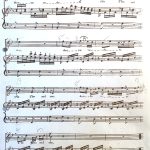
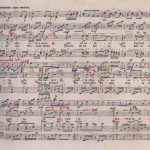
Vocalists are asked to undertake close listening and detailed annotation of scores, as well as record their singing to come as close as possible to the vocal styles heard on historical recordings.
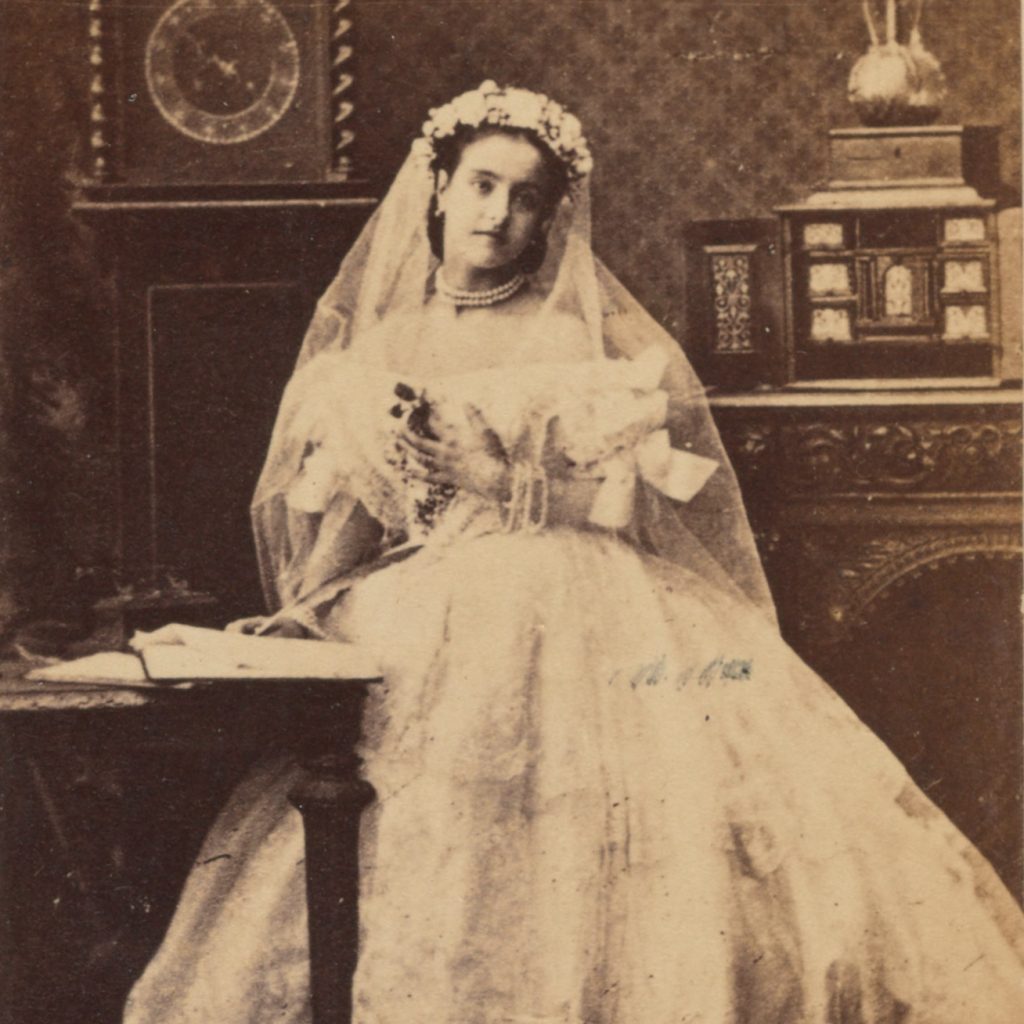
Adelina Patti was born in Madrid, Spain in 1843, the daughter of tenor Salvatore Patti (1800-1869) and soprano Caterina Barilli (d. 1870). Commencing her career at the age of eight, she became one of the most famous sopranos in the world, performing in England, the United States, Russia and South America amongst other locations. The beauty and purity of her lyrical voice and the quality of her bel canto technique led composer Giuseppe Verdi to comment that she was ‘an artist by nature, so perfect that perhaps there has never been her equal’.
The song ‘Voi Che Sapete’ (‘You Know What Love Is’) is one of the most popular arias from Mozart’s 1786 opera Le Nozze di Figaro (The Marriage of Figaro). The song is performed by the character Cherubino, a youth who becomes besotted with every woman he meets: due to his youth (his voice has not broken) the character is always played by a female singer. Patti’s version of ‘Voi Che Sapete’ was recorded in 1905 at her Welsh home, Craig-y-Nos Castle.
1905 Recording
2023/2024 EMULATIONS
Mhairi Lawson
The process of making the recording was to sing along with Adelina – I recall that simply by doing this, I was able to warm up and access head voice quite quickly. The tempo modifications and register changes to chest voice did not feel natural to me, however, now, performing a straight version of ‘Voi che sapete’ seems impossible.
I used Domenico Corri’s edition of the aria with a simplified piano part which I was able to play. Now, whenever I sing this piece, I generally combine Corri’s embellishments with Patti’s tempo modifications with an attempt to vary vocal timbre.
Anna Fraser
The emulative task, predominantly requiring aural and physical perceptions, is a rewarding process of conditioning the ear and other physiological senses associated with vocal artistry (how it feels) to create a ‘cover’ of another artist’s work through thorough analysis and technical adaptability. I learnt how to be more daring and flexible with my tone colour, an element in classical repertoire I had not considered exploring so extensively. Discoveries of greater light and shade in registral timbre brought to my attention additional possibilities for this opera standard. The process highlighted how engrained our modern habits (or others’ expectations) are in achieving a ‘classical’ sound production, particularly with repertoire learnt as a younger student.
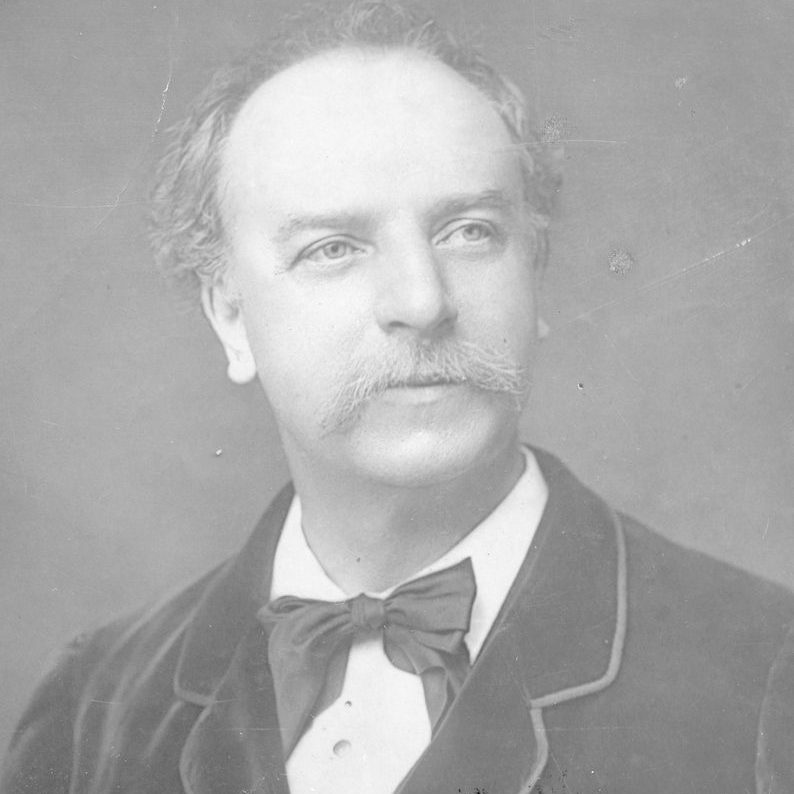
Charles Santley was born in Liverpool, England in 1834, the son of a bookbinder, organist and music teacher father. After studying bel canto techniques under Gaetano Nava in Italy, Santley made his operatic debut in Pavia in 1857. As one of the most eminent English baritones of the late-nineteenth century, Santley appeared in productions in Great Britain and North America and toured as far afield as Australia.
The traditional song ‘The Vicar of Bray’, which appeared in the eighteenth-century, is a satirical recounting of the career of ‘the Vicar of Bray’ and his flexible religious loyalties which changed in response to the beliefs of a string of English monarchs. Santley recorded this version of the song in 1903.
1903 Recording
2023/2024 EMULATIONS
Koen van Stade
Alex Wu
I learned some of the Bel Canto techniques from the first song assigned to me – “The Vicar of Bray” by Sir Charles Santley in 1903. In this recording, you will notice a lot of sudden and short portamenti (just between two notes), e.g. in the 1st and 2nd bars (In ⤴ good King Charles’s); then is the frequent alteration of tempi, which Charles did not sing according to the sheet indication, e.g. in the 8th and 9th bars, he slowed down briefly (so I got pre – fer – ment); another feature is a very artistry and performative singing expression according to the text, e.g. in the 5th, 6th, 7th bars (A zeal – ous HighChurch-man I was). The process I mainly used in emulation was close listening. By repeatedly listening to the original recording and comparing it with mine, I could recognize and emulate those techniques I mentioned above. Though I am not a trained singer, this research project inspired me that we should not be constrained to a particular style or taste of singing. And Bel Canto now gives me the gut to sing differently from now.
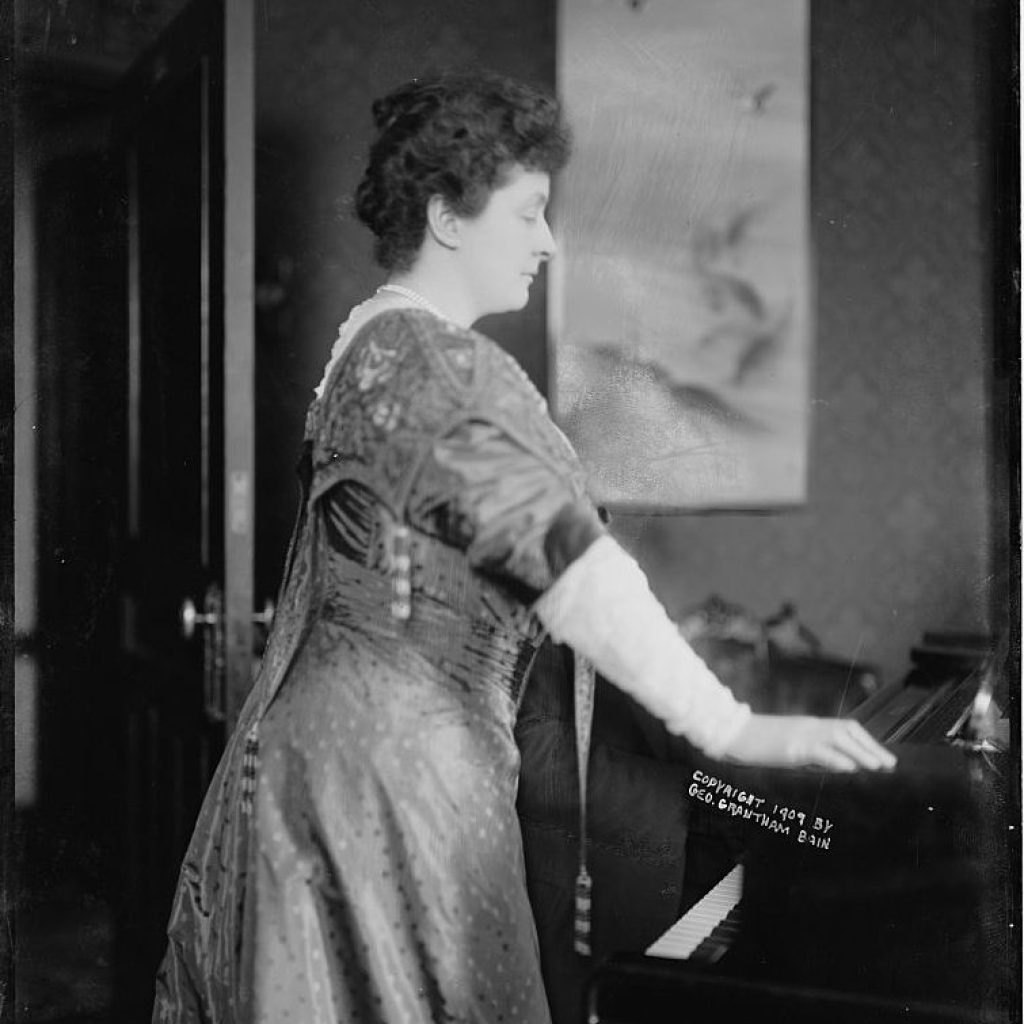
Emma Eames was born in Shanghai, China, the daughter of an American international lawyer. After studying singing in Boston, she moved to Paris and took lessons with the famous teacher of bel canto style singing, Mathilde Marchesi. She debuted with the Paris Opéra in 1889 and would go on to tour around Europe, and the United States and made several appearances in London and Monte Carlo.
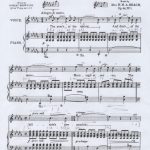
‘The Year’s at the Spring’ is perhaps the best-known of American composer Amy Beach’s songs. The words were written by English poet Robert Browning, and ‘The Year’s at the Spring’ appeared in Beach’s work Three Browning Songs, Op. 44 in 1899. Eames recorded ‘The Year’s at the Spring’ for the Victor Talking Machine Company in 1905.
1905 Recording
2023/2024 EMULATIONS
Anna Fraser
Focusing on her sound quality including expressive idioms Eames’ utilises such as sliding effects, tremolo, articulation, and asynchrony, and with special attention on her treatment of language (accentuation of diphthongs, shadow vowels and active consonants), success in the execution of musical minutia aided how it felt to integrate pace and dramatic stamina to achieve close sonic picture. One challenging, but significant, restrictive element (disproportionate to my usual creative process): not being able to fully know the emotional intent behind a gesture, effect or shaping of a phrase, to ideally capture a specific sentiment in the music. I continue to actively practice a high level of expressive shaping and contoured detail in all my creative opportunities – I have definitely discovered more wonderful choices to consider and integrate, as words demand, through this exploratory task.
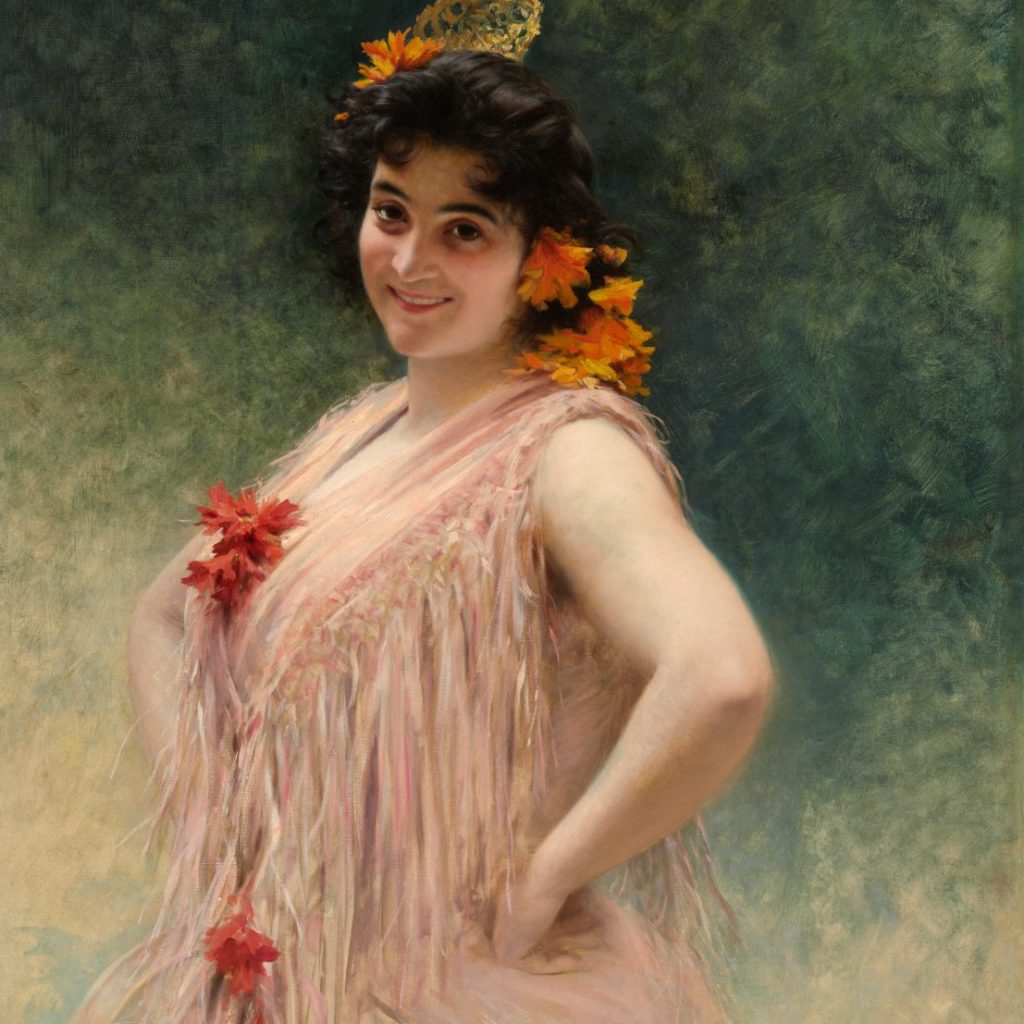
Emma Calvé was born Rosa Emma Calvet in the coal mining town of Décazeville, Aveyron, France. She made her debut as Marguerite in Gounad’s Faust at Brussels’ La Monnaie theatre in 1882 and studied under bel canto teachers Mathilde Marchesi and Manuel Garcia. She was soon travelling around the world, including Italy, Spain, the United States and Britain. She was celebrated for her performance in the title role of Bizet’s Carmen, which she sang for the first time in 1892.
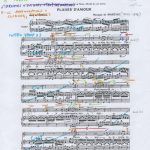
‘Plaisir d’Amour’ is a French love song composed by Jean-Paul-Égide Martini in the late-eighteenth century using text from a poem from Jean-Pierre Claris de Florian’s novel Célestine. Calvé was recorded singing the song in 1908, but it features heavily in popular culture to the present day.
1908 Recording
2023/2024 EMULATIONS
Anna Fraser
Emulating this early recording was a great opportunity to discover interesting textures inherent in Calvé’s treatment of language, expressive effects, breathing, phrasing, and timbral choices. Tempo rubato features in her early recordings: one of the more challenging aspects of the emulation process – how to gauge the expressive ‘push and pull’ to make it sound instinctive. Rhythmic syllabification, shadow vowels and articulated aspiration of vowels over moving notes occurs drawing out of the rhythm.
Adopting mixed tone quality with a blend of both head and chest results is more distinct qualities across the range of the song. Many additional breaths tie in with the articulation and alteration of rhythms however the sense of the longer phrase is never lost – we clearly here the text and get a sense of subtext associated with the artist’s emotional connection to the words. Use of the breath to produce sliding trembling (tremolo) effects result in articulated chromatic sobs adding drama and emotion to the musical setting of the beautiful words.
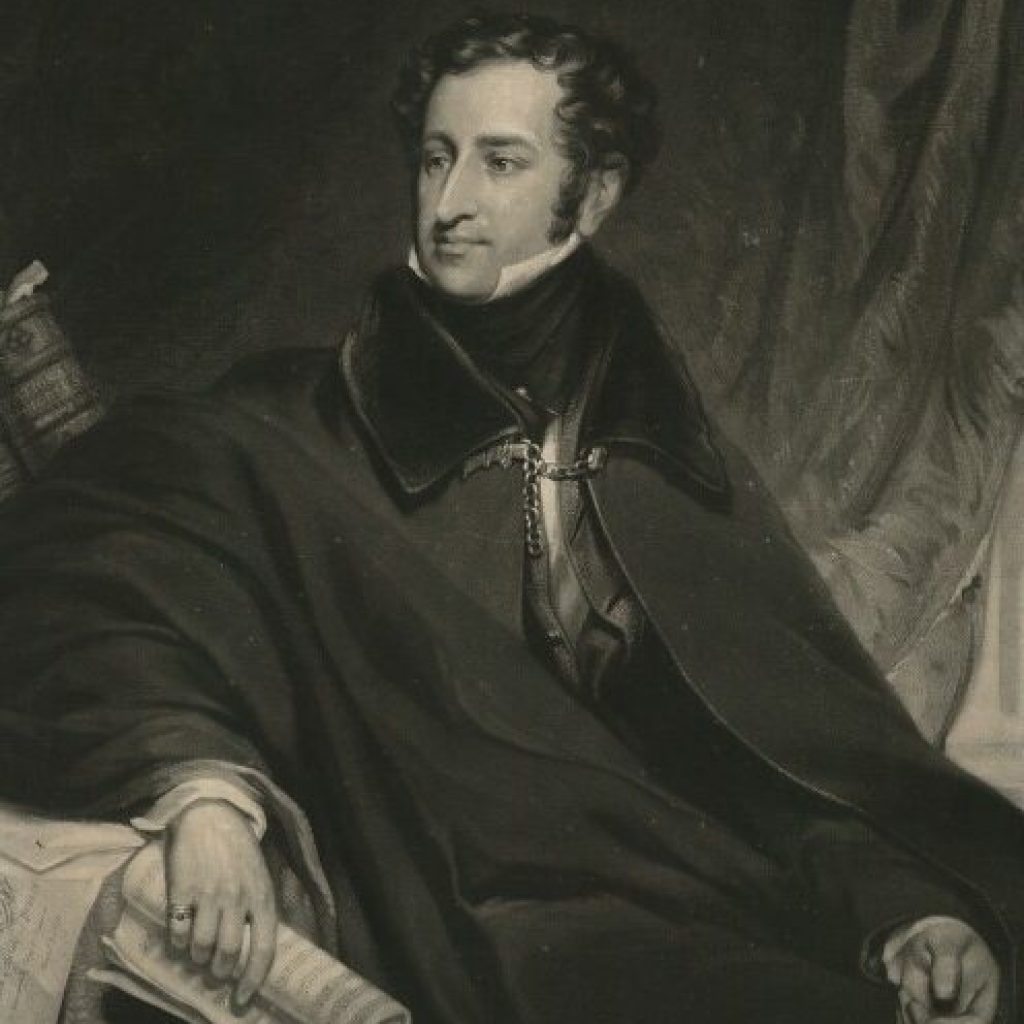
Sir Henry Rowley Bishop by Samuel William Reynolds, published by Colnaghi & Co, July 1822 | National Portrait Gallery
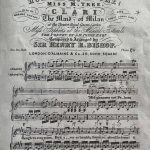
English composer Sir Henry Rowley Bishop composed ‘Home, Sweet Home’, with American John Howard Payne’s lyrics, for the opera Clari, or the Maid of Milan in 1823. The song was immediately successful worldwide. Soprano Adelina Patti recorded ‘Home, Sweet Home’ towards the end of her career, but had reportedly first sung it over forty years earlier, in 1862, at the White House when President Abraham Lincoln requested it of her. She finished her performances with ‘Home, Sweet Home’ from then on.
1905 Recording
2023/2024 EMULATIONS
Anna Fraser
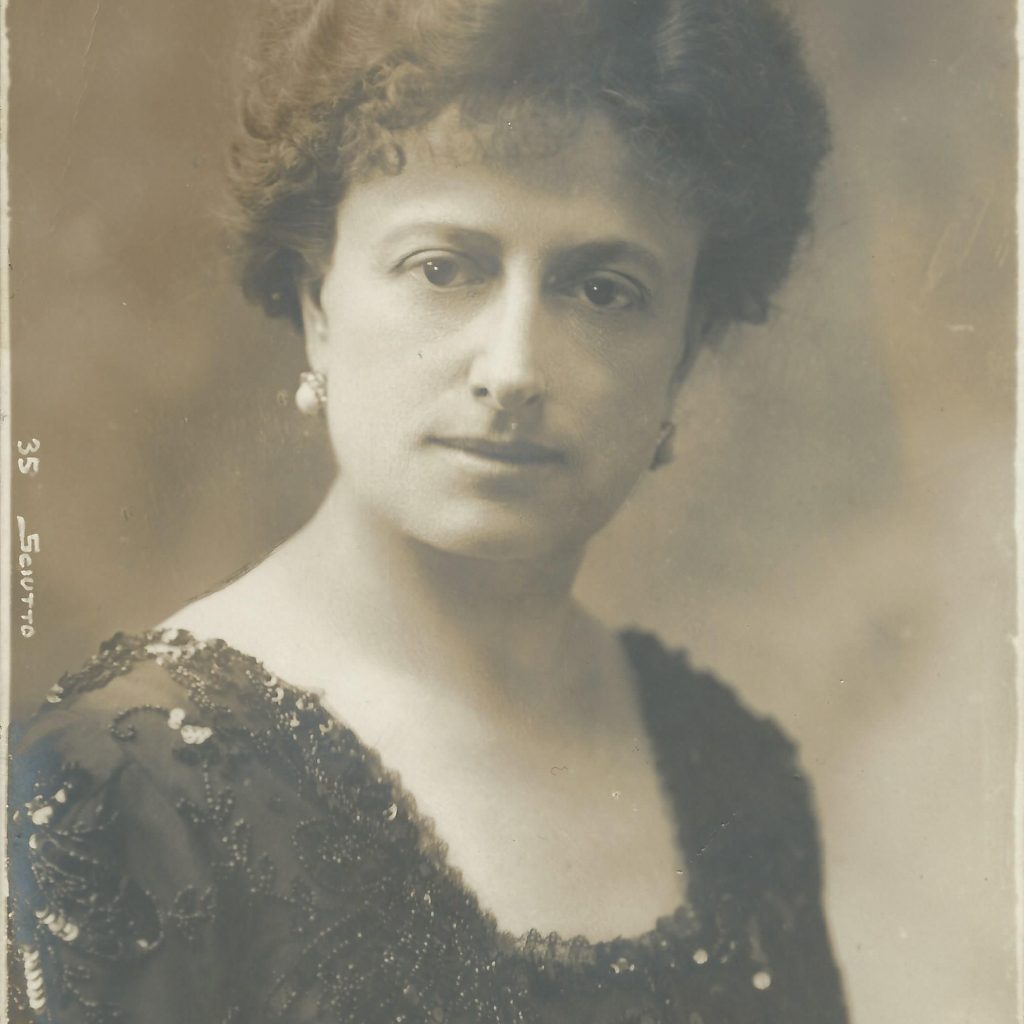
Cesira Ferrani, born Cesira Zanazzio in Turin, Italy, was a soprano best known for her roles in Puccini’s Manon Lescaut and La Bohéme. ‘Mi Chiamano Mimi’ (‘They Call Me Mimi’) is a song from La Boheme, an opera set in Paris that depicts the bohemian lifestyle of a seamstress (Mimi) and her friends. Ferrani played Mimi in the opera’s debut at the Teatro Regio in Turin in 1896, and recorded this version in 1903.
1903 Recording
2023/2024 EMULATIONS
Susi Bishop
I really enjoyed taking part in this project, and found it helped me not only solidify my understanding of my own vocal technique, but also to increase my confidence in the range of expression and tonal palette at my fingertips.
I approached my emulation first by listening to the original recording closely a few times through, and then working phrase by phrase notated the various expressions in my score and the tonal qualities too. I was interested particularly in the use of senza vibrato being a fuller bodied sound and more spun than i am used to hearing in contemporary singing practices. I then went back and sung through phrase by phrase, and recorded each phrase. I would then listen back and compare these to the original. I made a few attempts until I was happy and adjusted the notations in the score in any places that they needed it. Then I tried to do a full run where I tried to tie the expressions back to the emotional terrain of the lyrics, whilst still feeding it through the mechanics of my trained technique.
I feel that in taking on this challenge, the excitement of new boundaries of expression and vocal timbres opened up and the feeling of permission to try something outside my normal range has inspired me to be more free with my vocal usage without being reckless with my technique. Thanks for inviting me to take part in this process and I look forward to seeing it continue to grow.
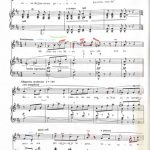
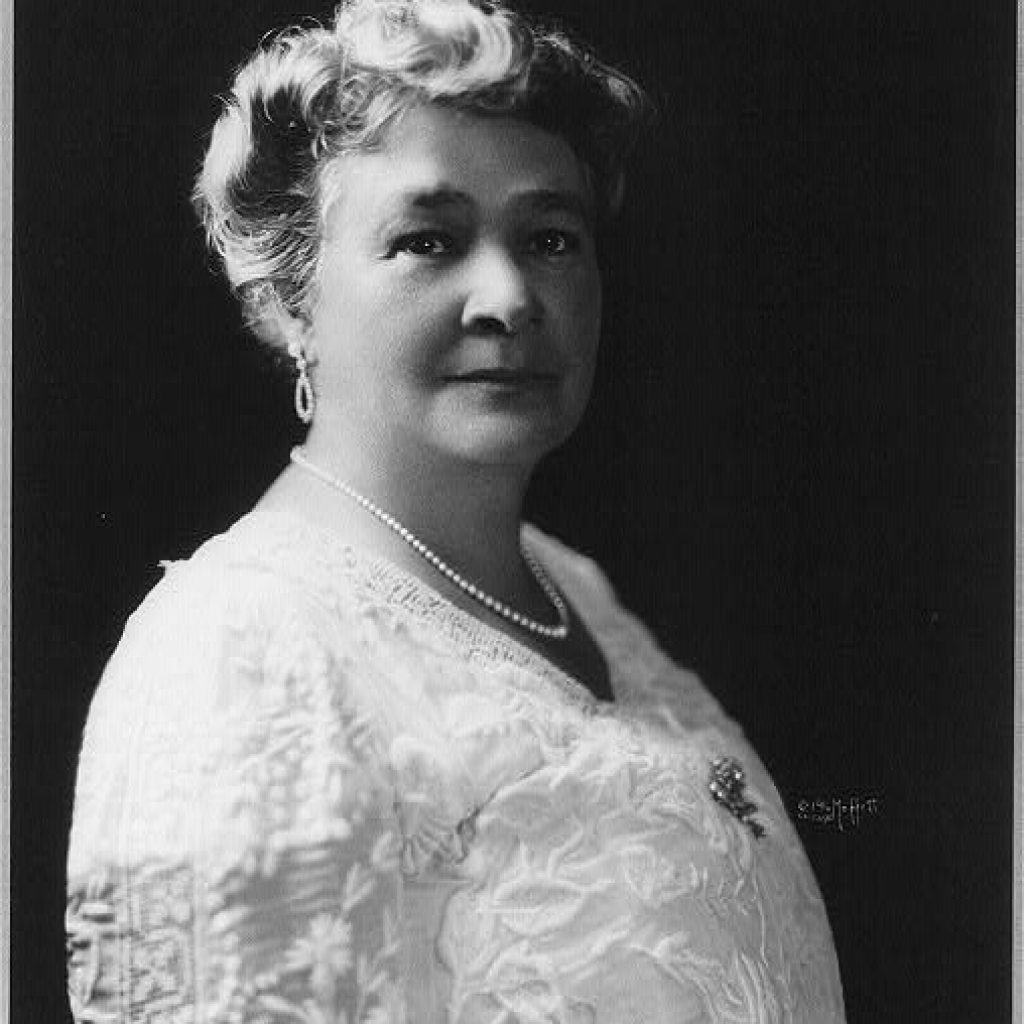
Ernestine Schumann-Heink, born Ernestine Amalie Pauline Rössler in Libeň, Bohemia, was an Austrian-American mezzo-soprano. She made her operatic debut at the Royal Opera House in Dresden in 1878, playing the role of Azucena in Giuseppe Verdi’s Il Trovatore. She commenced her international career in 1892, travelling to London, and eventually settling in the United States. She did her first recordings in 1900, but this recording of Schubert’s ‘Der Tod un das Mädchen’ was recorded in 1923 when she was living in California.
Franz Schubert composed ‘Der Tod un das Mädchen’ (Death and the Maiden) in 1817. The lyrics are based on a poem by German poet Matthias Claudius. The song depicts a young girl pleading with Death to pass her by and not take her life.
1923 Recording
2023/2024 EMULATIONS
Marine Fribourg
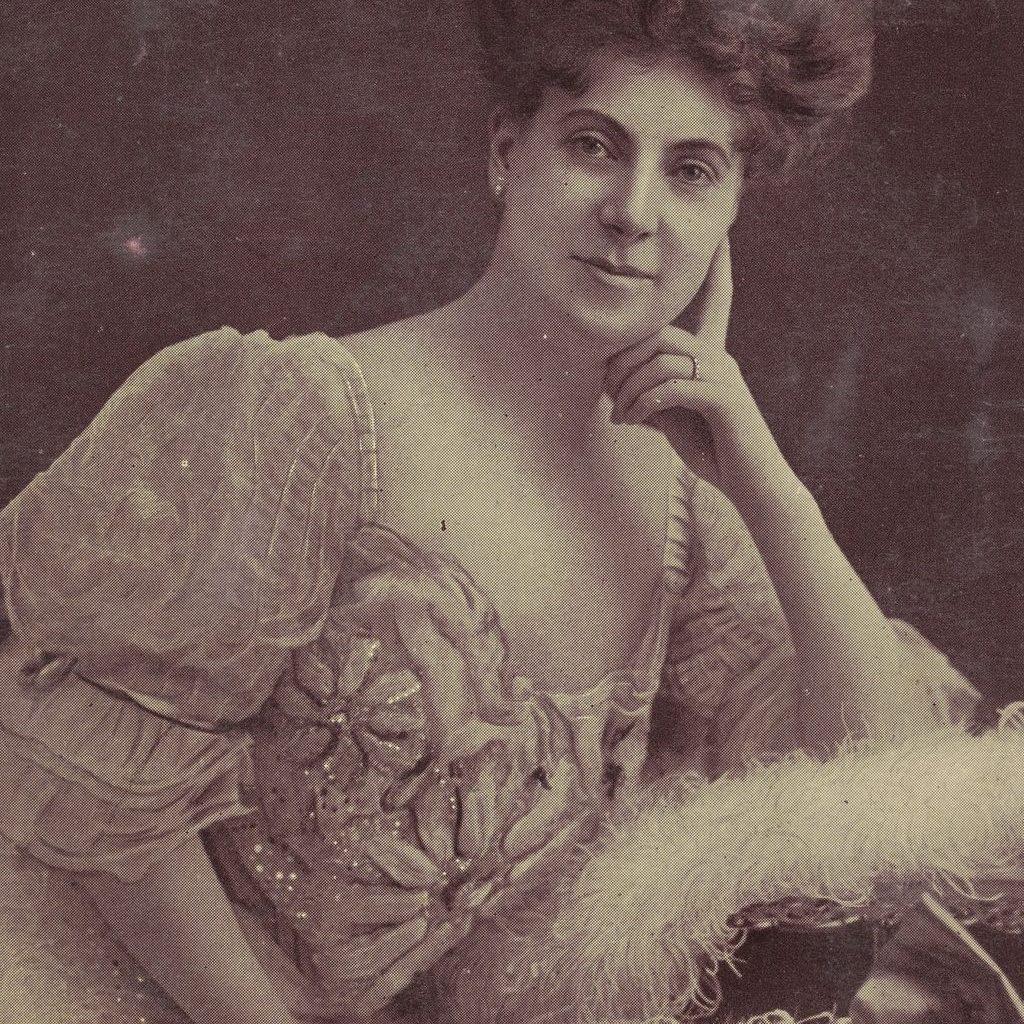
Ada Crossley, born in Tarraville, Gippsland, Victoria, was an Australian contralto. After studying in Melbourne during the 1880s, she made her public debut, becoming well-known in that city as well as in Sydney. In 1894, she travelled to London, where she trained with Charles Santley and then to Paris, where she studied under Mathilde Marchesi. She went on to perform in London and Manchester, and other oratorio festivals throughout Britain. Her voice was described as having ‘the luscious richness of a Carlsbad plum combined with the translucent purity of rock crystal’. During a trip to the United States in 1902-03, she recorded a number of tracks including Giordani’s ‘Caro Mio Ben’.
‘Caro Mio Ben’ (‘My Dear Beloved’) has a contested provenance. For many years, it was attributed to Giuseppe Giordani. However, scholars now believe that it was Giuseppe’s brother Tommaso who composed the work in London.
1903 Recording
2023/2024 EMULATIONS
Hazel Akyaz
Ada Crossley’s singing was an excellent example of different registers and phrasing. Being a student by two famous transmitters of the 18th-century bel canto tradition, namely Mathilde Marchesi and Charles Stanley, in Crossley’s recording, Garcia’s theory related to three different registers is relatively notable. Her chest register is energetic, whereas she uses a more rounded sound in the head register. Her middle range is also lighter and more clearly pronounced regarding this tradition. In terms of interpretation, she has, especially in the repetitions and in the second part of the song, a more intimate approach through which she achieves a sottile sound. Her phrasing, wise use of accent at the beginning of each bar and suprising tempo changes at the end of the recording also demonstrate the flexibility of her instrument. For the emulation, I recorded short parts of the song and analyzed them. In the future, I will use this process to flexibility of my registers and phrases.
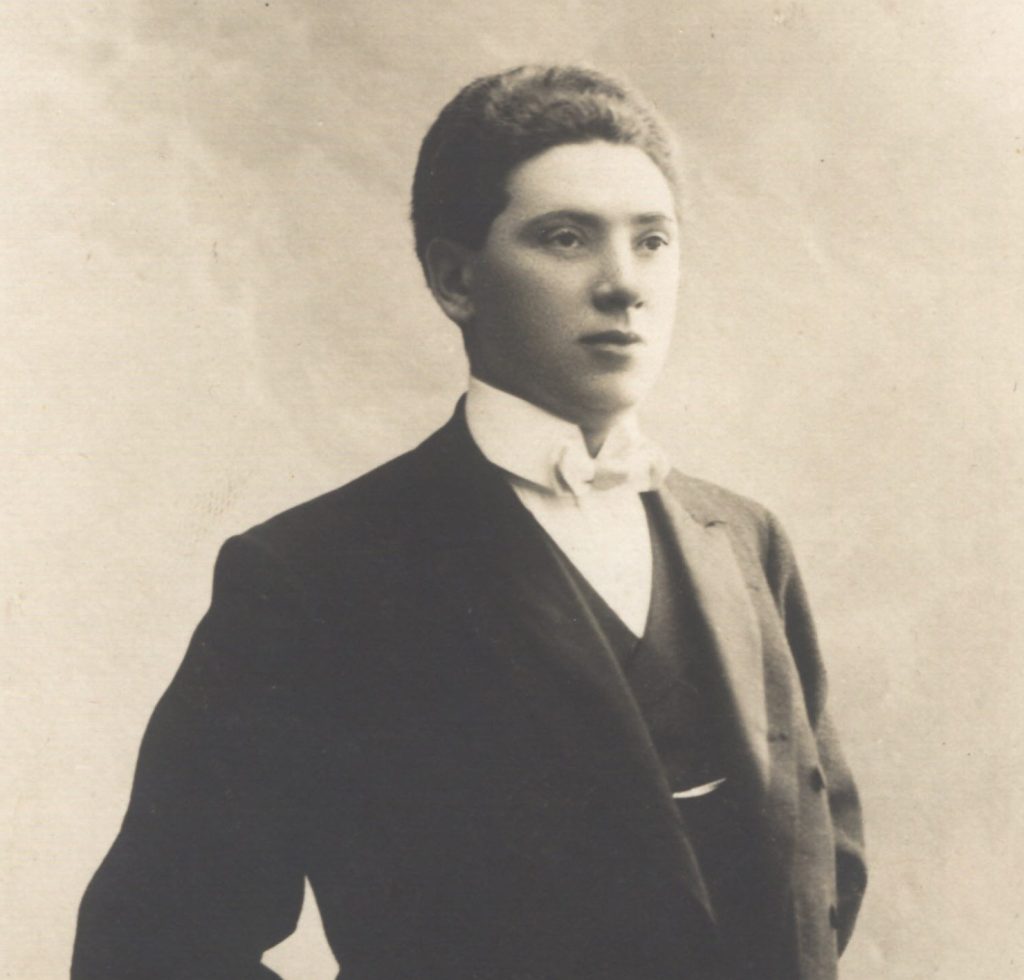
Lev Sibiyakov was born in St Petersburg in 1869 and started his vocal training in choirs before moving to Milan and studying under Rossi. He returned to Russia and sang at various opera houses, before making his debut at the Marinsky (now Kirov) opera in 1895. He later travelled to the United States to perform in a number of operas in Boston, and then to London and eventually Berlin. He was acknowledged as being equal to the best of bel canto singers.
‘Aufenthalt’ or ‘resting place’ is a song about rejected love, based on a poem by Ludwig Rellstab, a German poet. It was composed by Franz Schubert and appears in his ‘Schwanengesang’ (Swan Song), a collection of 14 songs written at the end of his life and published posthumously.
1912 Recording
2023/2024 EMULATIONS
Anna Fraser
A distinguished aspect of Sibiryakov’s tonal approach is his implementation of colouration in distinct areas of his range accentuated at the outer extremes of his registers (voix sombre/clair). Timbral variations with clear delineation between chest/head register qualities), in combination with other expressive features, add tonal depth to greatly enhance and nuance textual elements with the use of flexible laryngeal positions. One section of Sibiryaokv’s recording excludes the second stanza – this was an opportunity to apply indicative ideas combined with discernible expressive consistencies of the Russian baritone to shape and decorate the musical lines according to the poetic setting.
Disregarding evident gender and physiological differences, the embodiment process of ingraining the physical sensation of another singer’s approach to sound production utilises many expressive effects, tonal colorations and an expansive sense of organic bend-and-stretch. It also facilitates the development of a methodology to extrapolate back in time to sound works with no early recording evidence.
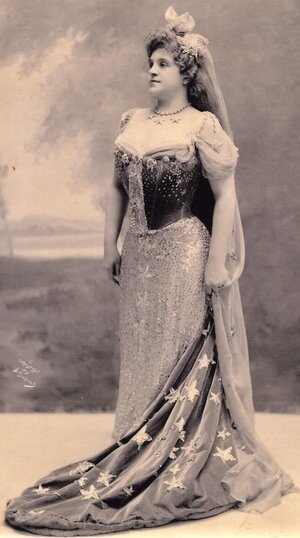
Image: Marcella Sembrich (1858–1935). Polish Coloratura Soprano, as Astrifiammante, Queen of the Night, in W.A. Mozart’s ‘Magic Flute’ (c.1900). Photographic print by A. Dupont. Sembrich Collection, Lake George Art and Music Museum, NY. https://www.thesembrich.org/collections
Sembrich (like Patti) was celebrated for her once-in-a-generation artistry as major operatic virtuosiof the late nineteenth century. American soprano Eames was a prima donna of the Metropolitan Opera for nearly two decades. Eames was a student of Mathilde Marchesi (1821-1913), who was the protegée of celebrated pedagogue and singing teacher Manuel García II.
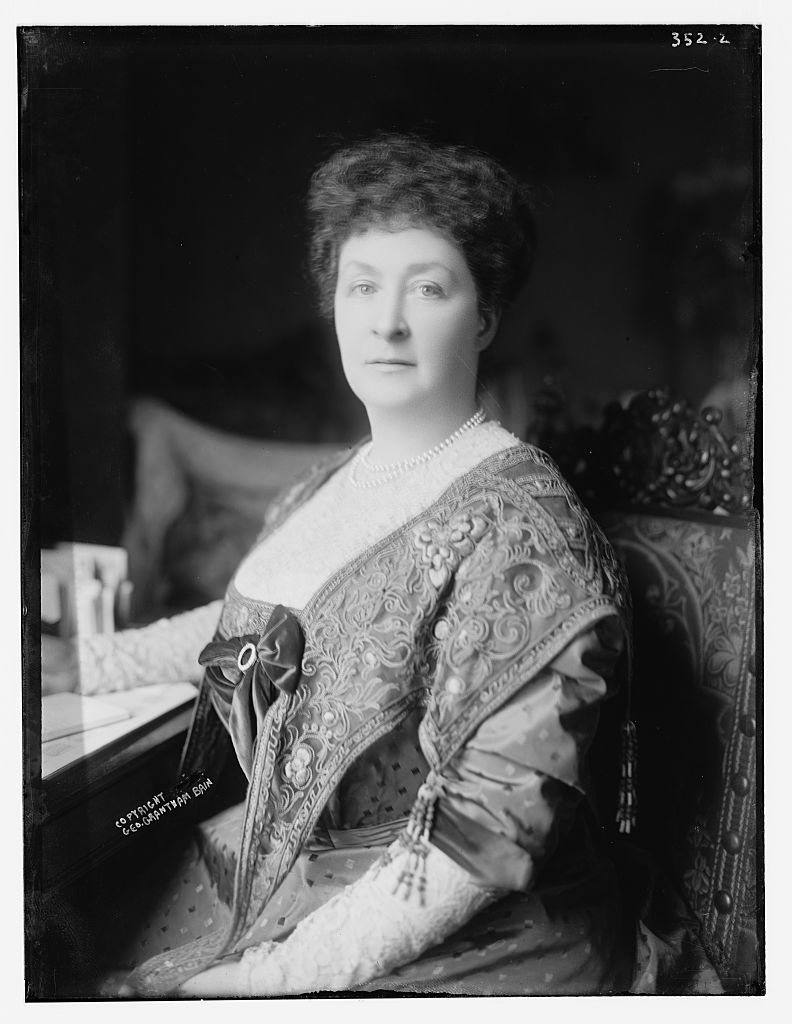
Image: Emma Eames (1865–1952). George Grantham Bain (1909). Digital print from original negative. Library of Congress, DC. https://upload.wikimedia.org/wikipedia/commons/c/cf/Emma_Eames_2.jpg
2024 Emulations
Anna Fraser and Claire Burrell-McDonald
Emulation by Claire Burrell-McDonald and Anna Fraser of the 1908 recording “Sull’aria” (Letter Duet) from Le Nozze di Figaro (1786) by W. A. Mozart (1756–1791) by Marcella Sembrich (1858–1935), soprano. Emma Eames (1865–1952), soprano. Orchestrated track (accompaniment) extracted with lalal.ai. Software. Recorded on Dec 17, 2024, Institut für Alte Musik, Universität für Musik und darstellende Kunst, Wien, 2024.
This emulation aims to imitate as many of the expressive and technical devices heard on the recording, in particular the singers’ approach to colour, rhythmic flexibility, portamento, tremolo, and language. Some of the challenging aspects of this process included coordinating tempo rubato with the original orchestral line, and moments of asynchrony between the singers. This can be ascribed, in part, to the respective roles sung by Sembrich and Eames (Sembrich as Susanna and Eames as the Countess) but also to the modern preference for totally vertical synchrony (alignment), which is not reflected in these early recordings.