Extrapolating the sounds of 18th- and 19th-century bel canto
Processes, practices and pathways
Event Program
Sydney Conservatorium of Music, The University of Sydney
Recital Hall West
26th–28th June 2026
Friday 26th June
Registration
8:30 – 9:00
Acknowledgement of Country
Professor Anna Reid (Dean and Head of School)
Welcome and Introduction
Neal Peres Da Costa
9:00 – 9:10
Rediscovering the sounds of historical bel canto
Anna Fraser, Claire Burrell-McDonald, Neal Peres Da Costa
9:10 – 10:20
How can pre-modern bel canto expressive practices and techniques as far back as the era of Handel and Porpora be recovered and reanimated in performance? Drawing on research (including doctoral work by Claire Burrell-McDonald and Anna Fraser) undertaken during the Australian Research Council funded Discovery Project The shock of the old: Rediscovering the sounds of bel canto 1700–1900, our lecture-recital will demonstrate practice-led methodological approaches that have enabled us to investigate this question.
We start with evidence of late bel canto sounds and practices preserved in early-20th-century sound recordings of 19th-century trained singers. These recordings allow us to hear expressive singing practices that had evolved in a continuum of practice over several centuries, but that became unfashionable and outlawed by the mid-20th century. Importantly, we establish a late bel canto aesthetic by emulating (closely imitating) and embodying practices heard in select recordings, especially of singers born before the middle of the 19th century. Building on that knowledge and experience, we find pathways to moving backwards in time to extrapolate earlier styles, by experimentally sounding evidence in rich documentary bel canto sources including by Manuel García II, Isaac Nathan, Johann Anton André and Domenico Corri. The lecture-recital will include creative experiments of works by Mozart, Schubert, Haydn, Handel, André, and others. Our purpose is to illustrate how re-engagement with historical bel canto practices not only helps to reestablish the primary function of bel canto—to communicate text persuasively—but also expands expressive possibilities for singers now.
Q&A
10:20 – 10:30
Morning Tea
10:30 – 11:00
Ghosts in the gramophone: Uncovering historical truths in early vocal recordings
Mark Bailey, Lawrence C. Witten II Curator, Yale Collection of Historical Sound Recordings
11:00 – 12:10
Singers are ubiquitous in early sound recordings. Numbering in the thousands, artists from both sides of the Atlantic—representing a wide range of nationalities—recorded arias and songs in multiple languages, documenting their artistry and stylistic choices. Whether before the recording horn or later the microphone, they embraced the conditions of the medium, knowing there was no opportunity to edit or correct mistakes. Yet the popularity of these recordings seems to have far outweighed any hesitation. Each one offers a chance to hear history as living artistic expression, with the singer’s technique and style on full display.
Some recordings, however, stand out. Owing to the clarity of both the music and the singer’s relationship to it, they serve as model examples of style and technique. Pedagogical not by design but by circumstance; they offer singers and other musicians a way to discover—and embody—historical modes of expression on the road to rediscovery. Drawing on a selection of 78 rpm discs from the Yale Collection of Historical Sound Recordings, this presentation, through audio examples and reflection, identifies graspable elements of historical style that play a crucial role in interpreting Romantic-era vocal music.
Q&A
12:10 – 12:20
Re-imagining the Belle Époque: The Jane Bathori method
Christina Wilson
12:20 – 12:50
21st century historical approaches to performance focus on creative reimagining rather than strict reconstruction. In classical singing, these approaches highlight the changes in taste and technique between past and present performance style and encourage an immersive understanding of historical context while also challenging modern expectations.
This paper explores the recordings and writings of French mezzo-soprano Jane Bathori as an exemplar of Belle Époque singing of the French mélodie. Written and audible evidence provides insight into her technical and artistic practice showing how her style differs from current vocal norms and reflects changing ideas about sound and expression.
A key part of this research is practice-led, vocal experimentation with aspects of Bathori’s singing pedagogy. This process allows for a direct engagement with her technical advice while considering their wider context and implications. The results demonstrate that working creatively with historical models can extend a singer’s expressive and technical options. Exploring the differences between past and present can inspire nuance to performance choices and contribute to new ways of thinking about vocal pedagogy and classical singing today.
Lunch
13:00 – 14:00
Bel suono and Belcanto: Interaction and Reciprocity in the Romantic era
Guido Balestracci, Elizabeth Dobbin
14:00 – 14:30
That the voice historically served as the aesthetic ideal and model of expression for both composers and instrumentalists is considered axiomatic amongst musicologists today. The centuries-long fascination with the art of singing and vocal expression is abundantly demonstrated by a large body of written sources, which have entreated instrumentalists to emulate and thus, over time, to assimilate vocal ideals of both a technical and expressive nature in their playing.
Few studies to date have considered the inverse practices. Little consideration has been given to ways in which instrumental musical gestures, enriched over generations with knowledge drawn from vocality, can be imitated on a sound-level and mined by singers, in turn, as a source of information as to their own art. Following an initial research-phase which explored vibrato during the period 1770 to 1820, the researchers now consider in detail this facet of the interconnected and reciprocal practices of Bel suono and Belcanto to further examine the phenomenon of vibrato between 1820 and 1860.
In this presentation, the researchers will introduce their methodology and preliminary findings, using as a point of departure a detailed re-reading of the various musical and textual instructions for the application of vibrato found in Louis Spohr’s Violinschule (1832) and in the manuals of others such as García, Baillot, and de Bériot. Using examples drawn from vocal music played by instruments, instrumental music, which is sung, and instrumental music written in imitation of vocal music, the presenters will shine a light on the experimental workspace that is a hallmark of the project, in which instrumental and vocal practices of the Romantic era coalesce, collide, and interact.
Q&A
14:30 – 14:40
Demystifying bel canto: Distilling the key elements of bel canto as an approach to ‘classical voice’ pedagogy
Katelyn Crawford
14:50 – 15:20
The term bel canto, literally ‘beautiful singing’ or ‘beautiful song’,is one of the most problematic terms in music. It can specifically refer to the techniques of vocal production heralded as ‘elite vocalism’, which arguably developed during the 17th century in Italy. However, the term is often used by classical voice teachers to describe their own teaching practices, and has also been used to describe various musical styles, composers, and time periods.
The field of classical voice performance and pedagogy can be difficult to navigate for singers and teachers alike due to the ubiquity of the term bel canto, the primarily oral tradition of singing pedagogy, and the nature of written sources describing bel canto singing, which are often vague.
This presentation explores the ambiguity of the term bel canto. Based on thematic analysis of qualitative data, it proposes a new definition of bel canto as an approach to ‘classical voice’ pedagogy and distils six elements of bel canto production. This presentation aims to synthesise historical and 21st-century written sources by key pedagogues and scholars, and the knowledge of experienced ‘classical voice’ teachers from Australia and overseas gained through interviews and current understandings of vocal anatomy. The presentation will also discuss the contemporary relevance of bel canto research.
Q&A
15:20 – 15:30
Afternoon Tea
15:30 – 16:00
Tracing García’s legacy in Australia: Reconstructing the bel canto sound world of Madame Christian and the Garcia School of Music (1871–1941)
Josie van Stade Ryan
16:00 – 16:30
This lecture-recital presents a practice-led investigation into the bel canto techniques transmitted to and through Mary Ellen Christian (1849–1941), later Sister Mary Paul of the Cross, one of the earliest and most influential exponents of Manuel García’s vocal pedagogy in Australia. A Canadian-born contralto trained at the Royal Academy of Music (London), Christian won prestigious awards and enjoyed a successful career in the United Kingdom before emigrating to Sydney in 1871 due to ill-health.
Christian’s subsequent career as performer, pedagogue, and founder of the Garcia School of Music at St Vincent’s College, Potts Point, established a distinctive Australian thread within the international García lineage. Through her teaching, Christian shaped generations of singers, including several whose singing is preserved on early recordings:
- Helen Porter Mitchell (Dame Nellie Melba): early formative training under Christian
- Ella Caspers: recordings include Daddy c.1913 NFSA.
- Carrie Lanceley: recorded excerpt from Il Trovatore 1914.
- Molly de Gunst: archival recording of Aida 1932.
A central feature of this presentation will be the examination of Christian’s personal, annotated copies of García’s New Treatise on the Art of Singing and Domenico Crivelli’s L’arte del canto. These volumes contain handwritten annotations, phrase markings, interpretive cues, and marginalia that illuminate Christian’s working methods. Signs of wear, missing pages, and additional pedagogical symbols testify to their intensive use. Selected annotated exercises will be demonstrated in performance, serving as a basis for reconstructing practical aspects of Christian’s teaching alongside her student’s recordings.
Drawing on archival sources, early sound recordings and experimental reconstruction, this presentation seeks to recover elements of an embodied bel canto tradition in Australia and to illuminate the transnational adaptation and transmission of García’s method in the decades following his death.
Q&A
16:30 – 16:40
The Songs Sung by Mrs Billington: A new edition celebrating Britain’s finest Georgian soprano
Brianna Robertson-Kirkland (Zoom)
16:40 – 17:10
The Songs Sung by Mrs Billington is a new edition to be published by A-R Editions of two unique and rare 1801 prints titled The Songs Sung by Mrs. Billington, in the Celebrated Opera of Artaxerxes and The Songs Sung by Mrs. Billington, in the Celebrated Opera of The Duenna. These were produced by Thomas Busby (1755–1838) to celebrate Elizabeth Billington’s (1765?–1818) highly anticipated return to the British stage following her seven-year continental tour. Busby produced and published detailed transcriptions of the arias and songs Billington performed in the serious opera Artaxerxes and the comedic opera The Duenna during the 1801/02 London season. Reviews of his publications printed in The Monthly Magazine (1801) and Public Characters (1801) reveal that Busby accurately transcribed Billington’s embellishments, thus preserving her vocal stylings when she was at the very height of her singing career. For modern singers and scholars, they offer specific examples of what a professional opera singer performed live, thus providing a rare opportunity to observe the kinds of embellishments that were improvised.
However, while the reviews praised Busby’s work describing it as intriguing, novel, and useful for skilled amateur singers who wanted accurately to replicate what they had heard performed on stage, singing masters disagreed with this style of publication, particularly famous Bath singing-master, Venanzio Rauzzini (1746–1810), who criticised publications that annotated vocal ornamentation in printed song sheets. The edition and, indeed, this presentation, will highlight the debates that Busby’s publications triggered with regards to vocal pedagogy, and will consider the impact this has had on understanding bel canto practices. Additionally, I will discuss my editorial method for this new edition and will share the ways singers can utilise this publication in performance.
Q&A
17:10 – 17:20
The Songs and Sounds of Auld Lang Syne: a study of an older style of singing with the annotated publications of Domenico Corri (1746-1825)
A Select Collection of Domenico Corri’s Teaching Points in Three Lessons
Mhairi Lawson (Zoom)
17:20 – 17:50
1. Breathing 2. Graces 3. Time
Domenico Corri was one of the many Italian musicians who worked in Britain in the late 18th century. According to his autobiography in The Singers Preceptor, or Corri’s Treatise on Vocal Music (1810)he was the last student of Nicola Porpora (1686–1768), and as such, brought to the singers of Edinburgh and southern Britain knowledge of the vocal pedagogy of the Neapolitan school of singing which produced artists such as the famous castrato Farinelli (1705–1782).
This tradition of vocal production was recorded in two large treatises published in 1782 (A Select Collection of the Most Admired Songs Duetts Etc.) and 1810 (The Singers Preceptor). These vocal manuals hold pedagogical advice alongside carefully annotated editions of the most popular songs and arias heard in 18th-century salons, concert halls and theatres. Corri’s editions are not scholarly urtext critical scores: these are unique performing editions, which preserve a musical taste far from our 21st century own.
I seek to fill a gap left by scholars and practitioners who have studied yet not performed the music in Corri’s treatises by creating non-professional archive recordings, using my own voice and historic keyboard instruments in Edinburgh University’s St Cecilia’s Hall Museum. This lecture-recital presentation will delve into teaching points in three lessons from Corri’s A Select Collection illustrated by video and audio examples from my PhD research portfolio.
Q&A
17:50 – 18:00
Break
18:00 – 18:30
Hook Presentation: Chiaroscuro and vocal registration in historical bel canto
Christoph Meier
18:30 – 19:30
In 1811 Girolamo Crescentini, one of the last important castrati, emphasised the importance of vowel colouring for the sake of musical expression in Raccolto di esercizi. Later in 1847 Manuel Garcia Jr. gave a detailed description of the expressive use of open and closed vowels (timbre clair, timbre sombre) in the second volume of his Traité complet de l´art du chant. And in 1887 Mathilde Marchesi referred to the use of vowel modification in her Traité du chant théoretique et pratique. Through the entire 19th century it is evident that vowel colouring (chiaroscuro) is an important part of musical expression in the operatic repertoire.
Historical recordings show that this practice still existed in the first quarter of the 20th century. Prof. Meier will discuss the use of chiaroscuro and its close connection to vocal registration (head voice, falsettone, chest voice). These insights will be implemented into practical work with doctoral singers on the ARC Discovery Project The shock of the old: Rediscovering the sounds of bel canto 1700-1900.
Post-Hook Presentation Drinks and Canapés Reception
19:30 – 20:00
Saturday 27th June
Registration
8:30 – 9:00
Evidence and speculation in historical performance practices: The case of Mozart’s operatic embellishment
Dorian Bandy (Zoom)
9:00 – 9:30
Researchers who study historical performance practices routinely come up against gaps in the evidentiary record—indeed, when dealing with many areas of the history of musical interpretation, such gaps are the norm, since performance is an ephemeral art and evidence concerning historical practices generally survives in the form of written documents that require significant creativity and ingenuity to interpret. Nonetheless, despite the fact that performers and music-historians alike deal frequently with the implications of these gaps and the interpretive difficulties they often present, no overarching theory of epistemology for historical performance has yet been proposed. This presentation offers a new, thorough grounding for concepts of evidence and documentation in the history of musical interpretation, arguing that inevitable gaps need not impede the careful search for historical knowledge. Drawing on the work of R.G. Collingwood and Karl Popper, the presentation argues that, contrary to the commonsense view, evidence does not serve as the starting point for investigation, since any piece of evidence is compatible with an infinite number of possible interpretations. Instead, research into historical performance practices must begin with more all-encompassing conjectured explanations, which guide the gathering and interpretation of evidence.
The presentation applies this framework to the late-18th-century practice of vocal embellishment, using arias from Mozart’s operas (including “Dove sono” and “Deh vieni” from Le Nozze di Figaro) as case-studies and demonstrating a range of embellishment styles that can be extrapolated despite a lack of direct evidence, and proposing a model for research that performers and historians can use in other, similar cases. The presentation ultimately argues that an epistemological reorientation would enable the investigation of aspects of historical musical practices that previously seemed inaccessible to modern-day performers and researchers.
Q&A
9:30 – 9:40
Hearing the sounds of Dr Goethe: Historical artefacts enlivened through experimental artistry
Anna Fraser, Claire Burrell-McDonald, Neal Peres Da Costa, Connor Fogel
9:40 – 10:10
This presentation explores how theoretical reflection, artistic experimentation, and creative practice intertwine within historically informed approaches to 19th-century vocal and pianistic repertoire, using Goethe, Schubert, and Liszt as interlocking case studies. It argues that creative practice can function as a form of historical inquiry when grounded in close engagement with primary sources, performance traditions, and embodied experimentation. The starting point is Johann Anton André’s (1775–1842) Lieder und Gesänge for voice and piano, a 4-volume didactic collection notable for its density of expressive markings. Goethe is known to have visited André in Offenbach am Main in the early years of the 19th century and reportedly recited his poetry to him, raising the tantalising possibility that André’s detailed indications capture aspects of Goethe’s own rhetorical delivery. Read in this light, André’s settings provide a rare window onto late-18th and early-19th-century expectations of vocal and pianistic declamation, phrasing, and expressive nuance—expectations largely absent from the comparatively sparse notation of Schubert’s songs.
This framework informs a second case study centred on Schubert’s Erlkönig and Franz Liszt’s piano transcription of the song. Liszt’s version intensifies expressive markings and assigns the four characters to distinct registral and timbral zones of the keyboard, effectively translating vocal rhetoric into pianistic terms. Striking parallels emerge when Liszt’s conception is considered alongside recordings by Ernestine Schumann-Heink (1861–1936) and the spoken recitation of Goethe’s poem by the Austrian actor Alexander Moissi (1979–1935), both trained within Viennese traditions of rhetorical delivery. These performances suggest a shared expressive language encompassing timing flexibility, colouristic contrast, and character differentiation across voice, speech, and piano.
The final strand presents recent collaborative practice-led projects. Anna Fraser and Neal Peres Da Costa have recorded Schubert’s Schwanengesang using Liszt’s transcriptions (amongst other sources) through a process of reverse engineering. In parallel, Connor Fogel has recorded Liszt’s Erlkönig. In both artistically driven projects, the performers have embedded historically documented declamatory practices such as rhythm and tempo modification, sliding and trembling effects, and manual asynchrony and arpeggiation. Presented jointly, these projects demonstrate how theory, experimentation, and creative practice can operate as a single, mutually reinforcing process of historical and artistic discovery.
Q&A
10:10 – 10:20
Morning Tea
10:20 – 10:50
Exploring the nineteenth-century German lieder tradition: vocal characterisation through text delivery and expressive performance practices
Nicholas Williams & Charis Postmus
10:50 – 11:20
In his classic memoir Am I Too Loud?, the great English accompanist Gerald Moore (1899–1987), reported how, in about the 1920s, many German singers who visited England held a condescending attitude towards English musicians: they “did not believe it possible” for an Englishman to be able to understand and accompany lieder. While Moore tried to defend the sensibilities of his compatriots—schooled as they had been by the “frequent visits” of German singers such as Elena Gerhardt (1883-1961), Elisabeth Schumann (1888-1952) and Lotte Lehmann (1888-1976)—the attitude of these German singers suggests that understanding and performing lieder required knowledge of an approach, perhaps common among Germans, that was not likely to be automatically understood by foreigners. In other words, that there existed a tradition related to performing lieder in Germany, that could not be learnt by merely reading the score.
Early recordings of lieder by German singers trained in the 19th century also suggest the existence of such a performing tradition. Frequently, these singers alter tempo and rhythm, colour their tone of voice, and employ various other un-notated practices, seemingly with the intent to deliver the text clearly and express its meaning. One fascinating practice is how singers such as Ernestine Schumann-Heink (1861–1936) vary the style of delivery in works that feature more than one character, like Schubert’s Erlkönig or Der Tod und das Mädchen, as if to give each character its own voice, as one might do when reciting poetry or prose.
In this lecture-recital, Charis Postmus and Nicholas Williams will present an exploration of how 19th-century German singers approached lieder, looking particularly at how text delivery and expressive practices were used for vocal characterisation. It will conclude with a performance of a selection of lieder inspired by the research.
Q&A
11:20 – 11:30
Bel canto style in Pauline Viardot-Garcia’s vocal transcriptions of Frédéric Chopin’s mazurkas.
Linda Barcan & Coady Green
11:30 – 12:00
Pianist Frédéric Chopin and mezzo-soprano Pauline Viardot-García were introduced in 1839 by the novelist George Sand. They shared a prodigious pianism (Viardot-García had originally trained as a concert pianist), a forensic musicianship, a love of bel canto and a demonstrated willingness to insert bel canto features into their compositions. Despite their different social personas (Chopin the reluctant performer and Viardot-García the consummate salonnière), both had experienced success in the Parisian and London salons of the 1830s and 1840s.
The personal connection between Chopin and Viardot-García was immediate, and they spent many hours in Sand’s country home in Nohant in the summers of 1841–1843 and 1845, reading scores at the piano and discussing their art (Eigeldinger, 1986).
When Viardot-García presented Chopin with a set of six mazurkas set to texts by poet Louis Pomey, he was reportedly pleased, describing the songs as “charming” (Azoury, 1999). He went on to witness his friend perform them in his capacity as both audience member and as accompanist. Viardot-García published the mazurkas in two series, the first appearing during Chopin’s lifetime (1836–1842), and the second after his death (1880–1885).
This lecture-recital explores the bel canto style in Viardot-García’s twelve vocal transcriptions of Chopin’s mazurkas. The composition and original performances of the mazurkas will be positioned within their historical context, and their bel canto elements—specifically ornamentation and the cantabile melodic line (Harley et al., 2000)—will be analysed and illustrated in performance.
Q&A
12:00 – 12:10
Muse and Musings: Embodied extrapolation of Chopin-Viardot mazurkas
Giulio Biddau, Anna Fraser, Claire Burrell-McDonald
14:50 – 15:20
This presentation interrogates how 19th-century vocal transcriptions of piano works—exemplified arrangements of Chopin’s mazurkas by Pauline Viardot (1821–1910)—might give modern artistic researchers a new understanding of the expressive aims and practices of nineteenth-century performer-composers. Viardot’s adaptations, created during summer visits with Chopin at Nohant in the early to mid- 1840’s, transformed Chopin’s Polish dance idioms into vocal works enriched with French and Spanish texts, ornamentation, and cadenzas. Her creative process, supported by Chopin himself, demonstrates an historical model of collaborative artistry where transcription served as a vehicle for expressive experimentation.
Our research asks: how can such transcriptions illuminate emotional delivery in classical singing? How might they enable pianists to extrapolate earlier performance styles? And to what extent can this knowledge expand present-day artistry? We employ practice-led, embodied methods to address these questions, trialling expressive effects against documentary sources—including annotated scores and performance instructions by Manuel García II (1805–1906), Viardot’s brother—to sonically reconstruct bel canto aesthetics from the pre-recording era.
This investigative process is both extrapolative and experimental, relying on intuitive artistic responses to historical cues. We argue that performance itself constitutes a research method capable of producing knowledge through artistic action. We situate Viardot’s transformations within the continuum of the bel canto school and explore how reciprocal expressive choices can inform performance interactions, generating new insights into historical style and its affective dimensions. This approach offers a framework for reimagining historical soundscapes while expanding the expressive palette available to modern performers to foster innovation in contemporary classical practice.
Q&A
12:40 – 12:50
Lunch
13:00 – 12:00
Hearing the past in the present: The unheard in Melba’s recordings
Linda Shoostovian
14:00 – 14:30
Dame Nellie Melba (1861–1931), one of the last exponents of the bel canto tradition, is among the most significant singers on early sound recordings, whose art largely disappeared by the 1950s. Trained by Mathilde Marchesi (1821−1913), whose pedagogical lineage included Manuel García II (1805−1906).
Focusing on selected recordings made between 1904 and 1926, this presentation explores how Melba’s electrical recordings deepens our understanding of her earlier acoustic recordings: the increased fidelity of the electrical recordings provides a valuable framework for reassessing the acoustic recordings, bringing into sharper focus vocal qualities often obscured by the limitations of early recording technology. Among these are aspects of timbre, tonal colour, resonance, vibrato, and dynamic shading.
The presentation also draws on contemporary newspaper reviews and critical descriptions of Melba’s voice published during her lifetime, comparing these with evidence preserved in her recordings. While such reviews provide valuable insights into her performance practice, they are inevitably subjective and open to interpretation. Melba’s recordings, by contrast, clearly preserve many aspects of her vocal style, making it possible for such qualities to be examined in detail. In doing so, they bring the past into the present, allowing us to hear and appreciate what would otherwise remain unheard.
Q&A
14:30 – 14:40
Illuminating Bel Canto: Affetto, rhetorical eloquence, and schemata through the lens of early sound recordings of Mozart’s Fantasia K 475 and “Voi che sapete” from Le nozze di Figaro K. 492
Petra Kirchner
14:50 – 15:20
Italian solfeggio, as cultivated in the Neapolitan conservatories (Baragwanath, 2020), provided the foundation of eighteenth-century singing and instrumental performance. it shaped a musical imagination grounded in bel canto ideals of myriad expressive practices, agile ornamentation, and rhetorical delivery through the embodied mastery of schemata as theorized in Robert Gjerdingen’s work (2007) on galant schemata, and partimenti (Sanguinetti, 2012).
This presentation explores Mozart’s musical language through this Neapolitan-derived schematic framework, examining the Phantasie in C minor, K. 475 not merely as a keyboard work but as an operatic and theatrical utterance. Its abrupt contrasts, recitative-like passages, and aria-inspired lyricism evoke bel canto effects of vocal inflection, dramatic pacing, and heightened affect, suggesting a drama without words. This perspective is further illuminated through comparison with the aria “Voi che sapete” from Le nozze di Figaro K. 492, highlighting shared bel canto gestures and schematic vocabularies across Mozart’s instrumental and vocal writing.
The evolution of 19th-century musicianship reveals a sustained engagement with vocal aesthetics in shaping instrumental performance practice, as demonstrated in the research of Brown (1999, 2024) and Peres Da Costa (2012). Developments in piano manufacturing (longer sustain and register possibilities (including through varied pedal effects) increasingly enabled alignment with bel canto ideals: its expanding expressive capacity was channelled toward vocal imitation and rhetorical articulation.
Within this framework, this presentation considers how Carl Reinecke (b. 1824), a pianist regarded as preserving an “old tradition” of Mozart interpretation, performed Mozart’s Phantasie K. 475 with a dramatic range informed by bel canto aesthetics, offering a lens for understanding historical performance practice. This perspective is further contextualised through bel canto aesthetics in the artistry of the celebrated Mozart soprano Adelina Patti (b. 1843), alongside Mozart’s aria “Voi che sapete.”
This presentation culminates in an aria excerpt by Mariana Martínez (b. 1744), who was a student of Porpora, reimagined in performance to foreground the relevance of historical practice today through the embodied realisation of galant schemata and historically informed performance.
Q&A
15:20 – 15:30
Afternoon Tea
15:30 – 16:00
Saving bel canto? Reimagining the traditional art of Italian singing at the turn of the 20th century
Hazal Akyaz (Zoom)
16:00 – 16:30
The late-19th century witnessed growing anxiety over the perceived decline of 18th-century bel canto under the pressures of increasingly dramatic operatic repertories. Within this climate, early editions of 17th- and 18th-century Italian arias—most notably Arie Antiche, edited by Alessandro Parisotti—formed part of a broader Romantic revival of earlier vocal repertory. Although not intended as a systematic preparation for contemporary opera, this repertoire acquired pedagogical authority as it circulated among prominent singers and became associated with preserving a tradition of Italian singing. However, the revival was shaped by its own historical context. Parisotti’s editions altered earlier materials by introducing expressive markings, phrasing, and harmonic modifications that reflected late 19th-century aesthetics. Early recordings indicate that singers did not treat this revived ‘antique’ repertoire as stylistically distinct but instead performed it using vocal techniques developed within contemporary operatic practice.
This lecture-recital presnetation investigates this tension through practice-led inquiry. One aria from Arie Antiche will be performed as notated in Parisotti’s edition, informed by early 20th-century recordings to demonstrate documented characteristics such as phrasing, portamento, dynamic contour, and register management. These strategies will subsequently be applied in performances of selected excerpts from late-19th-century operatic works documented in recordings up to the 1920s. By employing similar vocal approaches across both repertoires, the recital assesses whether the discourse of ‘saving’ bel canto generated a distinct pedagogical vocal practice or reinforced a unified operatic aesthetic. Highlighting the interaction between nostalgic reconstruction and operatic habit, this presentation contends that bel canto around 1900 was shaped both by inherited tradition and by revivalist reinterpretation. Thus, reconstruction became an integral component of its historical development.
Q&A
16:30 – 16:40
Sung with unbounded applause in London, Dublin and Edinburgh: A singing lesson with Signor Corri (1746-1825) and Madame Catalani (1780-1849)
Mhairi Lawson (Zoom)
16:40 – 17:10
Domenico Corri (1746–1825) was one of many Italian musicians who worked in Britain in the late-18th century. According to his autobiography in The Singers Preceptor, or Corri’s Treatise on Vocal Music (1810) he was the last student of Nicola Porpora (1686–1768), and as such, brought to the singers of Edinburgh and southern Britain knowledge of the vocal pedagogy of the Neapolitan school of singing which produced artists such as the famous castrato Farinelli (1705–1782).
Corri’s vocal treatises preserve pedagogical advice alongside carefully annotated editions of the most popular songs and arias heard in 18th-century salons, concert halls and theatres, including Giuseppe Sarti’s Lungi dal caro bene in The Singers Preceptor (1810).
Angelica Catalani (1780–1849) was the most celebrated soprano in Britain at the beginning of the 19th century, following in the footsteps of Elizabeth Billington (1765–1818) and Gertrude Mara (1749–1833): Corri’s brother, Natale, published another annotated edition of Sarti’s aria which claims that the score holds “Madame Catalani’s own Graces”. Was this how Catalani presented the aria in Edinburgh on February 8th, 1810?
The Corri/Catalani connection grew even closer when the singer became the teacher of Natale’s daughter Fanny, who sang in the early British performances of the vocal works of Mozart and Rossini.
This lecture-recital will examine the annotated editions by Domenico Corri and Natale Corri/Catalini to consider how Sarti’s aria could have been performed in the early-19th century.
Q&A
17:10 – 17:20
“Let us both sing; the instrument alone is different”.
“Nous chantons tous deux; l’instrument seul est différent.” (Rubini)
Anneke Scott (Zoom)
17:20 – 17:50
This practice-based presentation focuses on the influence of singing on horn playing and horn playing on singing in 1820s-1850s Paris and centres on the performance practice of Jacques-François Gallay. Gallay held the role of principal horn at the Théâtre Italien and was appointed, alongside Gilbert Duprez, Filippo Galli and Manuel Garcia II, professor at the Paris Conservatoire as part of the “grands changements” of 1842.
Using three case studies (Vaccai’s Giulietta e Romeo “È questo il loco”, Mercadante’s Nitocri “Se m’abbandoni”, and Mercadante’s I Briganti “Perche non posso” and “Ove a me rivolgi un guardo) the presentation asks what it meant in practice for Gallay to describe the horn as “another voice that sings” and for a singer, such as Giovanni Battista Rubini, to state “you too, my dear Gallay, you are primo tenore. Let us both sing; the instrument alone is different.”
Drawing on Gallay’s Méthode, nineteenth-century vocal pedagogy, and early recordings of singers, the presentation challenges key tenants of modern historically informed performance horn playing and explores the use of timbre and portamento as deliberate expressive tools shared across vocal and instrumental domains. Particular attention is given to practical strategies relevant to performers today, including the expressive use of stopped and open notes, the management of harmonic transitions, the coordination of breath, embouchure, and hand position to shape vocal-style phrasing.
Q&A
17:50 – 18:00
Music Editions and Instructive Texts
Emanuel Signer Bärenreiter Verlag
18:00 – 18:30
Symposium Celebration (Delegates)
19:30
Sunday 28th June
Registration
8:30 – 9:00
The history of the coup de glotte and its subsequent controversy: An analysis of prephonatory tuning in onset
Tatiana Mills (Zoom)
9:00 – 9:30
This presentation aims to dissect the history of the almost two-hundred-year-old controversy surrounding Manuel García II’s coup de glotte, revealing an intuitive way in which singers can utilize muscle memory based in speech patterns to achieve a healthy vocal onset. There has been much argument about the danger of the coup de glotte, leading to significant confusion regarding the terminology and subsequent rejection of the concept altogether. However, the comparison of García’s initial descriptions of vocal onset versus modern understandings of a “correct” onset illuminate many similarities that were once clouded by a lack of pre-existing, uniform terminology. When examined through the lens of B. D. Wyke’s studies on prephonatory tuning, García’s concepts reveal an intuitive school of singing guided by the natural reflex for speech.
The presentation will cover historical misunderstandings, modern re-interpretations, and current studies on García’s coup de glotte, demonstrating its inherent value in healthy singing. Today, this topic is considered taboo within the singing community, even amongst many who claim to teach the bel canto style. I intend to dispel fears surrounding a topic that has been labelled as dangerous by historical and modern pedagogues alike. Throughout the presentation, I aim to demonstrate correct and incorrect applications of the coup de glotte. The presentation will also involve audience engagement and experimentation with the use of the body’s natural reflexes to demonstrate the intuitive depth of García’s original description of the coup de glotte.
Q&A
9:30 – 9:40
The captured gesture: Conductors on early film and disc
Kevin Sherwin
9:40 – 10:10
The 19th century saw the development of the conductor’s role as an expressive interpreter of music. The conductor’s emergence as a music director, independent of an instrument, led to new ways in which gestural leadership shaped opera, symphonic works with vocal soloists, and other large ensemble performances during the Romantic era. The advent of the motion picture camera in the 1880s enabled the creation of films that captured the gestural styles of conductors, pointing to the technique through which they partnered with vocalists and coordinated Romantic-era expression.
The Captured Gesture: Conductors on Early Film and Disc explores the early generations of conducting traditions by synthesizing diverse primary sources, including early film footage, historical sound recordings, and archival performance scores. Films and recordings demonstrate the coordination of flexible tempi, intricate agogic accents, and varied articulations. The selected sources also illustrate how conductors’ gestural pacing accommodates vocal soloists’ phrasing, breath, and portamento.
Conductors include Leo Blech, Willem Mengelberg, Arthur Nikitsch, Arturo Toscanini, and Edward Elgar. Featured orchestras include the London Symphony Orchestra, the Berlin State Opera Orchestra, the Amsterdam Concertgebouw, et. al. Furthermore, such visual representations link to written accounts of conducting, orchestral and vocal performance practice, such as Hector Berlioz’s L’art du chef d’orchestre (1855), Walter Blume’s Brahms in der Meininger Tradition (based on score markings from 1886-1902), and Mathilde Marchesi’s Art du chant (1877).
The connections between these film, sound, and written sources not only illuminate the expressive methods of the Romantic-era conductor, but also can provide practical approaches to revitalize a past world of operatic and orchestral performance styles.
Q&A
10:10 – 10:20
“German…bel canto”: Wagner’s admiration for Italian vocalism
Anna Fraser, Claire Burrell-McDonald, Neal Peres Da Costa
10:20 – 10:50
Richard Wagner’s aesthetic ideals were grounded firmly in the Italian bel canto school. He prioritised meticulous spoken declamation in an aim to combine the Italian bel canto style with an emphasis on German text to create his ideal of Sprechgesang (“song-speech”), and “intensify the dramatic effectiveness of accentuation”. However, the historical record reveals two divergent outcomes of this ideal. Early twentieth-century recordings of singers who were associated with Bayreuth exhibit a “priority given to speech over song,” where legato is sacrificed and “every syllable…is pushed out with the utmost intensity,” (Fischer, 1993) sometimes to the detriment of vocal longevity. Critics of the time characterised this approach as the “Bayreuth bark,” a persistent staccato style that neglected the possibility of “declaim[ing] in a legato style” (Common Time, 1904). This aesthetic rupture was centred in the pedagogical practices of Cosima Wagner, Richard’s widow, and informed the next hundred years of Wagnerian performance practice, but is not evident in singers who were not coached by Cosima.
This paper examines how late nineteenth- and early twentieth-century sound documents can inform historically grounded approaches to Wagnerian singing. Focusing in particular on Tristan und Isolde (Liebestod, “Mild und leise”) alongside the Wesendonck Lieder—repertoire often framed as post-bel canto—it draws on a curated corpus of early recordings including those of Lilli Lehmann (1848–1929), Johanna Gadski (1872–1932), Lillian Nordica (1857–1914), Ernestine Schumann-Heink (1861–1936) and other contemporary interpreters (c.1900–1930) who do not demonstrate the “Bayreuth Bark”. These recordings demonstrate a wealth of bel canto-era vocal techniques grounded in the traditional Italian vocalism Wagner admired, including an emphasis on sustained legato, tonal beauty, and flexible phrasing while maintaining textual clarity. Additional expressive traits included flexible laryngeal positions, chiaroscuro, frequent use of messa di voce and dynamic inflection, expressive portamenti, and highly elastic tempi. These contrast with modern tendencies toward sustained, homogenised tone, darker vocal colour, limited ornamentation, and more metrically rigid interpretations.
This paper interrogates the entrenched divide between Italianate vocality and so-called German Sprechgesang and positions early recordings as actionable models for expressive rediscovery. It aims to recover a flexible, expressive “Wagnerian bel canto” that demonstrates both vocal sustainability and interpretive nuance, enabling performers to re-engage with a richer spectrum of expressive strategies in late Romantic repertoire.
Q&A
10:50 – 11:00
Morning Tea
11:00 – 11:30
The Art of Madame Adami, Otto Bake, and other “Well-Tempered” accompanists: A reassessment of the role of the pianist in early lieder recordings
Sebastian Bausch
11:30 – 12:00
Discussions of early lieder recordings typically focus exclusively on the singers and their performances. However, almost every lied performance (with the rare exceptions of self-accompaniments) represents a collaboration between two artists: the singer and the pianist. Contemporary understanding tends to think of lieder performers as professional chamber music duos, collaborating over decades and rehearsing with the meticulousness of string quartets or piano duets. In the late 19th and early 20th centuries, this level of collaboration was more the exception than the rule, both in the concert hall and especially in the recording studio. While long-term professional partnerships existed, singers were equally accustomed to performing with accompanists they barely knew or with whom they had minimally rehearsed. This practice was particularly prevalent in the acoustic recording studio, where singers were routinely partnered with studio pianists. On one hand, this benefited the sound quality of the recordings, as these pianists were intimately familiar with the technical necessities of an acoustic recording session. On the other hand, it has historically raised questions regarding the artistic trustworthiness of such recordings, particularly in light of what can sometimes appear as extreme shortcomings in ensemble playing. However, current research indicates that occurrences of untogetherness could have been intentional, and that little-rehearsed performances were common on the concert stage and not inherently considered unprofessional.
Many accompanists remain unnamed on the published discs, and even in cases where we know the identity of the pianist, little is documented about their artistic background. This presentation will address this gap by illuminating the careers of some of these artists, analyzing their performance styles, and exploring the factors that contributed to their mastery in the studio environment. Furthermore, the artistic role of the accompanist will be examined through case studies comparing instances where the same singer recorded a song with different accompanists, or conversely, an accompanist recorded the same song with multiple singers. The presentation will also investigate the special case of piano accompaniment rolls, particularly those of Edward Brightwell and Coenraad V. Bos. These rolls offer a unique opportunity to hear some of these historical accompanists as “soloists,” detached from the singer they accompanied. Moreover, these resources present valuable opportunities for experimentation in embodiment and reenactment, affording contemporary singers the experience of being accompanied by the historical pianists, and thereby to reconstruct the presumed performance of the original singer.
Q&A
12:00 – 12:10
“Marienwürmchen, blickst so schwer”—The unreleased recordings of Mary Wurm
Jeanne-Marie Lelièvre & Laura Granero
12:10 – 12:40
Although many pupils of Clara Schumann were highly praised as song accompanists, it has long been assumed that the only surviving sound recordings documenting their interpretative tradition were those made by Adelina de Lara with her grandson, the tenor Edward Hain. Indeed, until the rediscovery of the recordings discussed here, these discs were believed to constitute the sole surviving sonic testimony of Clara Schumann’s pianistic lineage in vocal repertoire. However, several years ago, previously unknown recordings were rediscovered featuring one of Clara Schumann’s pupils, Mary Wurm, accompanying an as yet unidentified female singer in three of her own songs.
Mary Wurm (1860–1938) was a remarkably multifaceted musician. A composer, pianist, and pioneering conductor, she became the first woman to conduct the Berlin Philharmonic in 1887. Shortly thereafter, she founded her own women’s string orchestra. Beyond her performing career, she conceived an ambitious encyclopaedic project devoted to women composers of the past and present, seeking to raise awareness of women’s creative agency within musical culture.
As a pianist, Wurm collaborated with many leading singers of her time. It was the celebrated baritone and pedagogue Julius Stockhausen who supported her application to study with Clara Schumann. Wurm was a frequent guest in the Stockhausen household, particularly at the family’s Sunday musicales. At one such gathering, she even performed Brahms’s Liebeslieder-Walzer with the composer himself and other members of the circle. Later in her career, she appeared in important Lieder recitals with Alice Barbi, Liza Lehmann, and Raimund von zur Mühlen, himself a pupil of Stockhausen.
The identity of the anonymous singer heard in the rediscovered recordings remains unknown. These recordings are particularly significant for three reasons. First, they preserve the composer herself at the piano. Second, they provide rare and tangible evidence of a performance style within the Clara Schumann lineage in the field of song accompaniment. Third, they were produced in a walk-in recording studio and dedicated to Princess Pilar of Bavaria and Bourbon.
This lecture-recital will present re-enactments of the songs alongside additional works by Wurm and composers from her artistic circle, with the aim of reconstructing the performance practices associated with Wurm, Clara Schumann, Brahms, Stockhausen, and their milieu.
This lecture-recital and the Australian tour of the FANNY DAVIES Ensemble are supported by the Embassy of Spain in Australia and AECID Cultura.
Q&A
12:40 – 12:50
Lunch
12:50 – 13:50
Act One Play: embodying vocality in early-19th-century Viennese violin playing
Emma Williams
13:50 – 14:20
Act One Play, a one-woman theatre piece performed in one act, invites you into the world of Emmeline Kiesewetter, a fictional Biedermeier violinist and salon concert host. Vocality was deemed the height of musical expression for early-19th-century Viennese violinists, who were frequently encouraged to imitate singers when playing. The interplay between vocal and string performance practices uncovers yet another layer of expressive exploration, as the declamatory rhetorical way of speaking and acting shaped the embodiment of affects in performance across all artistic disciplines in this period. But how did early-19th-century acting, singing, and violin playing influence each other, and how does one engage with and embody these practices with creative autonomy now?
Act One Play follows the journey of Emma Williams as she navigates her “embodied reading” of 18th- and early-19th-century vocal, acting and violin sources as a method of inhabiting Emmeline Kiesewetter’s performance style. In order to implement into her playing the vocal expressive language cultivated in these sources—full of portamento, tempo and rhythmic flexibility, rhetorical articulation, and expressive vibrato and tone colours—a complete physical, vocal, and mental embodiment of the affects is necessary. Using Heinrich Wilhelm Ernst’s Elegie (1835) as a musical guide, we become privy to a range of her experiments: she explores the effect of early-19th-century postural foundations on her violin technique, she sings the vocal techniques and expressive devices that led to their violin equivalents, she marries text to music, and she uses historical acting techniques to influence physiological elements (breath, heartbeat, facial expressions, and gestures) as a guide for her rhetorical choices in violin playing. One woman, many affects, playing with meaning and embodiment in the seemingly lost world of early-19th-century vocality. As Emma goes deeper in her embodiment journey, where will she stop, and Emmeline begin?
Q&A
14:20 – 14:30
21st-century Australian Indigenous composer/singers and the evolution of bel canto singing
Karen Cummings
14:30 – 15:00
The development of the bel canto singing style continues to be a contested space. Drawing on works by John Potter, Tyson Yunkaporta, Don Ihde, Jonathan Sterne and Adriana Cavarero this presentation examines convergences and divergences in the practices of 21st-century Indigenous Australian composers, performers and singers Shauntai Abdul- Rahmen and Sonya Hollowell (Dharawal improvisor, composer, writer and creative practitioner) with a 21st-century understanding of the bel canto style. Both Indigenous artists use their voices to express deep connection to Culture. Shauntai uses Indigenous and other languages; Sonya uses sound and text (often moving beyond the word). Improvisation and ornamentation, exploration of timbre and musical phrase, the use of the entire range of the voice and its expressive possibilities are features of their artistic practices.
Shauntai is exploring the application of historic bel canto techniques to her compositions and performances and Sonya, like many singers working in 21st-century art music, use sound and voice technology to explore the expressive possibilities of texture and extra vocal sounds. These are expressive human sounds that are difficult to bring to the listener without the use of amplification, although arguably, in smaller resonant spaces could have been part of some bel canto practices. The presentation poses the question: how do the practices of two Australian Indigenous composer/ vocalists align with a 21st-century understanding of bel canto singing?
Q&A
15:00 – 15:10
Afternoon Tea
15:10 – 15:40
What should faithful audio reproduction of embodied performance practice sound like?: Factors, barriers and influences
Damian Barbeler (Round Table Discussion)
15:40 – 16:30
This presentation introduces the early stages of the Embodied Performance Practice Recording Project, a practice-led investigation into the recording of voice and fortepiano repertoire informed by historically informed performance around the concept of fidelity to materials. Rather than presenting solutions or advocating a particular recording methodology, this presentation discusses factors that may influence recording and post-production philosophies and practices.
The Embodied Performance Practice Recording Project begins from a simple observation: many recordings of period instruments and singers are made following recording traditions associated with large modern concert-hall contexts which specifically tend to feature dramatically different dynamic range and acoustic resonance profiles. These approaches often produce beautiful results, but can also alter or even mask the perceived character of historical instruments and historical vocal strategies and performance techniques. In traditional classical recording practice the phrase “best seat in the house” is often idealised. But what is the best seat in this case? Where is it and what does it sound like?
Drawing on preliminary observations and an exploratory literature review, the presentation outlines a series of interacting factors including instrument resonance, soundboard behaviour, room reflections, microphone perspective, stereo image construction, psychoacoustic preferences, cultural listening habits, and the compromises inherent in sound reproduction as a basic decision matrix from which it is hoped might emerge some more faithful, maybe the “best seat in an historic house”.
The discussion also considers whether faithful reproduction necessarily involves literal reproduction, or whether forms of enhancement may sometimes be required to communicate perceptual experiences that are otherwise lost through innate limitations in recording and playback technologies. Examples from film sound, spatial perception, and recording practice are used to frame these questions.
The session is intended as a conversation rather than a report of findings. Participants will be invited to reflect on the factors they consider most important in period recording and to discuss how concepts such as authenticity, perception, embodiment, and fidelity might shape future recording methodologies.
Closing
Neal Peres Da Costa
16:30 – 17:00
Conference Close
17:00
Rediscovering the sounds of historical bel canto
Anna Fraser, Claire Burrell-McDonald, Neal Peres Da Costa
Meet the Presenters
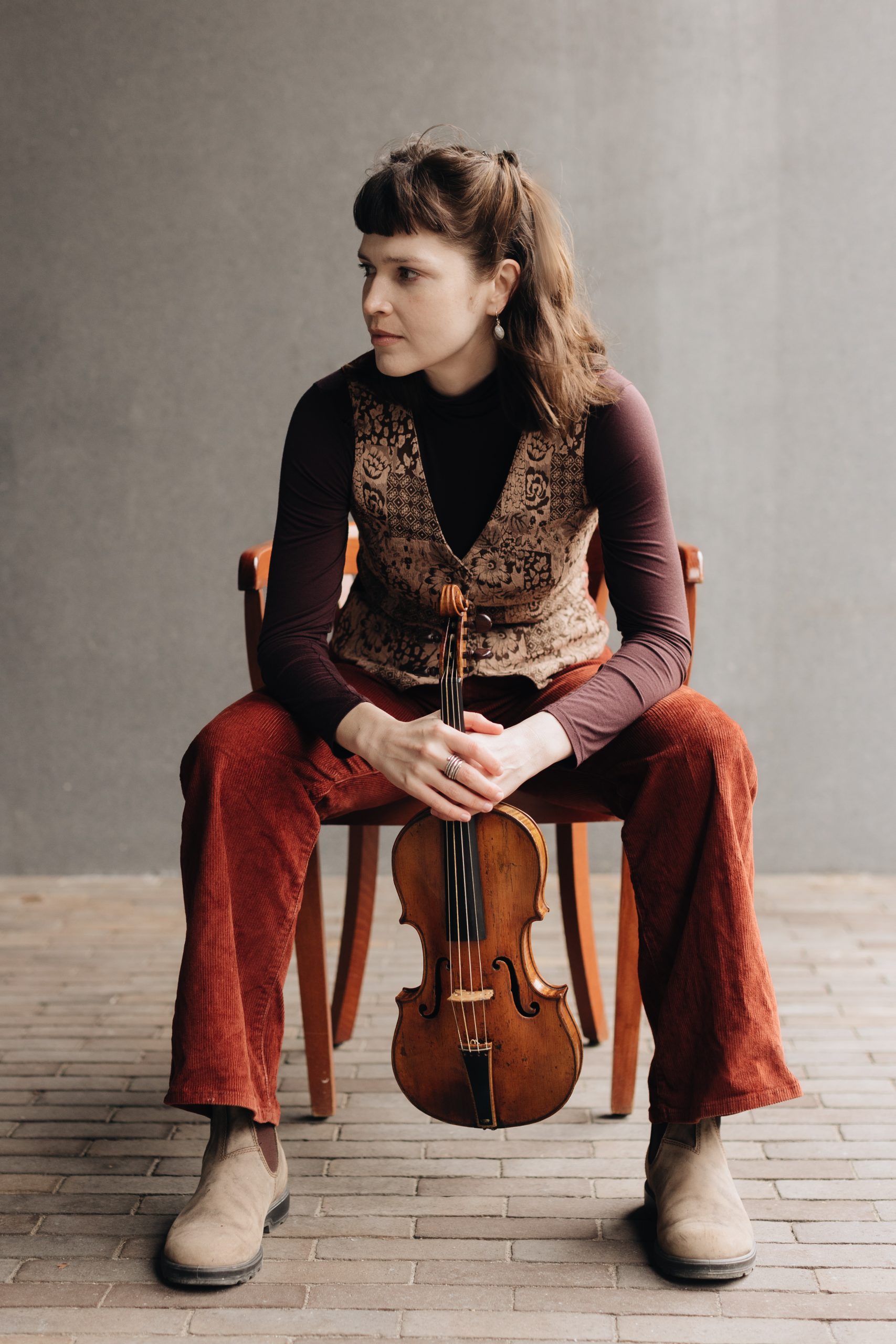
Emma Williams
Netherlands-based Australian violinist, Emma Williams, has a passion for the historically…
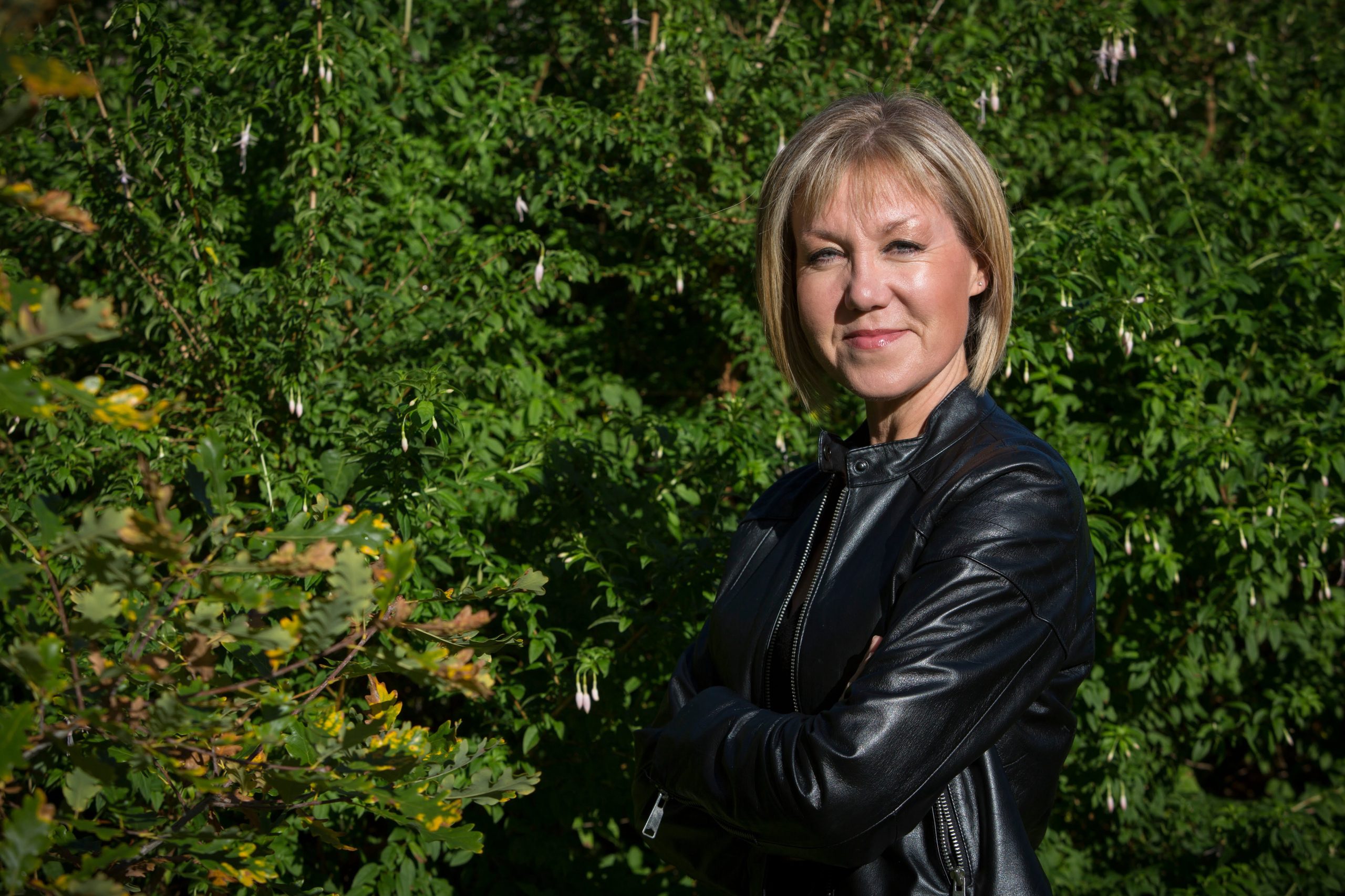
Mhairi Lawson
Mhairi Lawson has worked worldwide with companies such as English National Opera, New York City Opera and The Early Opera…

Christoph Ulrich Meier
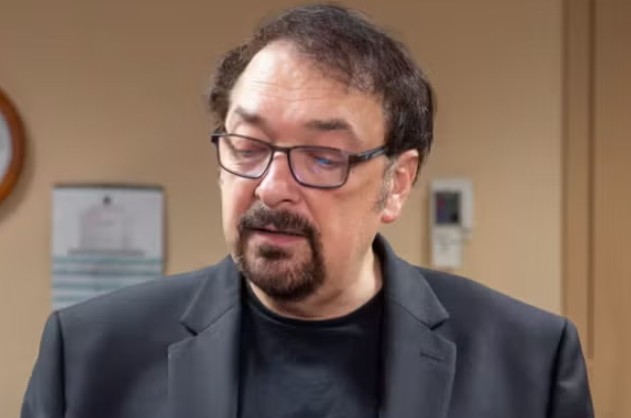
Mark Bailey
Mark Bailey is the Laurence C. Witten II Curator of the Yale Collection of Historical Sound Recordings (HSR), comprising…
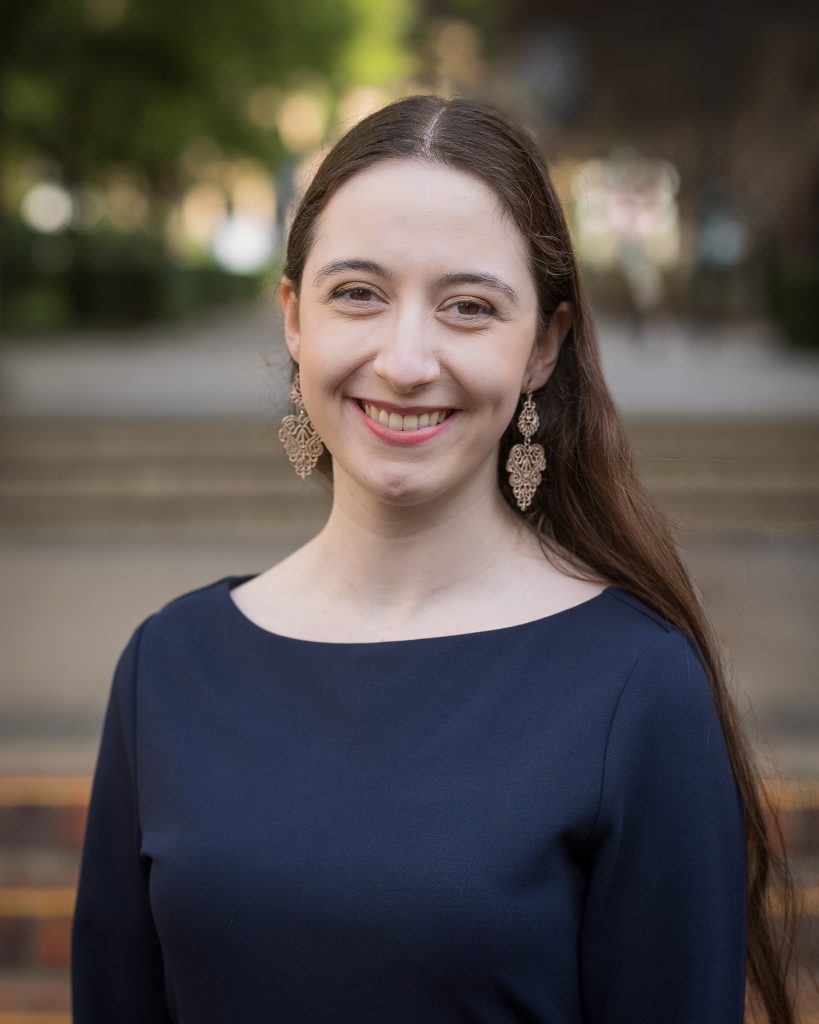
Katelyn Crawford
Katelyn Crawford is a mezzo soprano / soprano, classical guitarist and composer based in Adelaide, and an Adelaide…
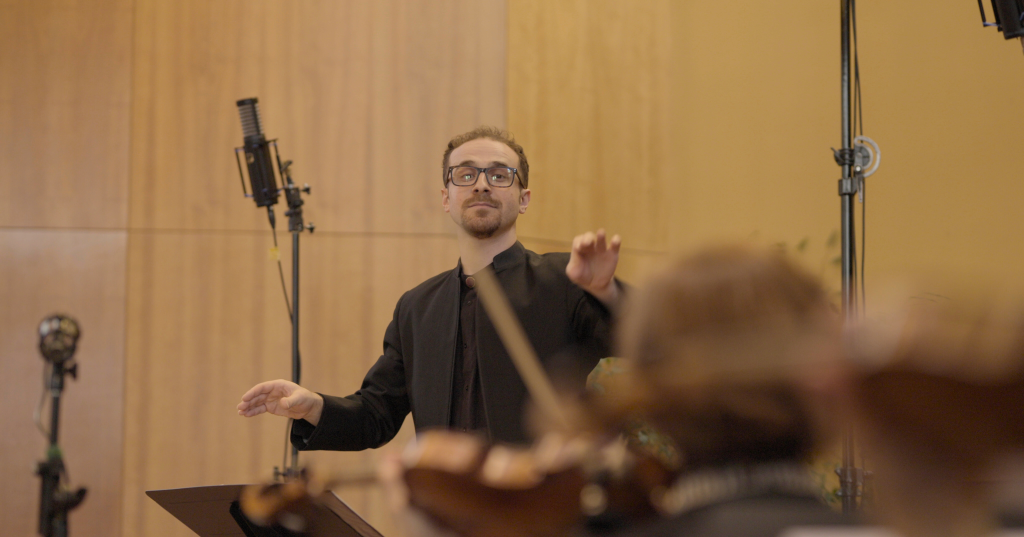
Kevin Sherwin
Conductor Kevin Sherwin infuses his active concert schedule with scholarly work in performance practice, focusing on orchestral…
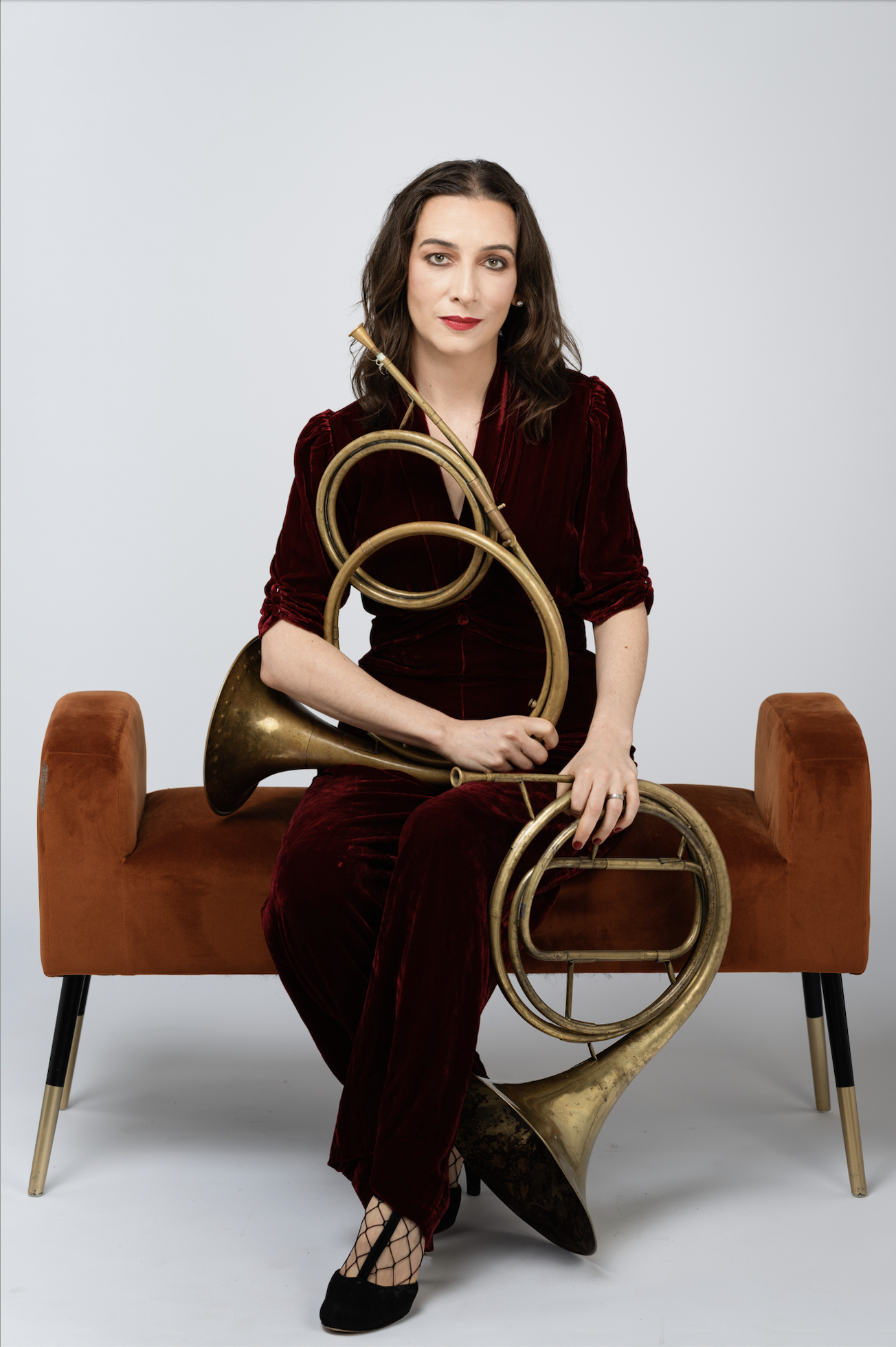
Anneke Scott
Anneke Scott is internationally recognised as one of the leading performers and scholars of the historical horn, with a career…
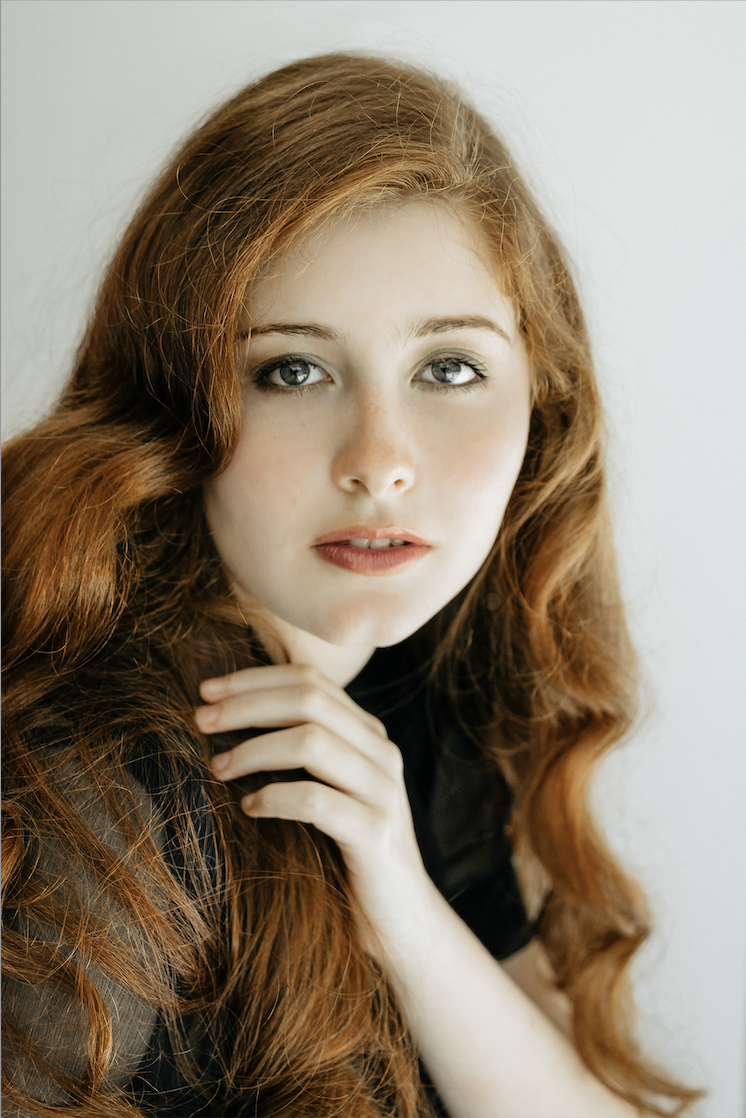
Tatiana Mills
Tatiana Mills is an emerging operatic soprano and writer with a keen interest in historical voice pedagogy techniques, as well as…
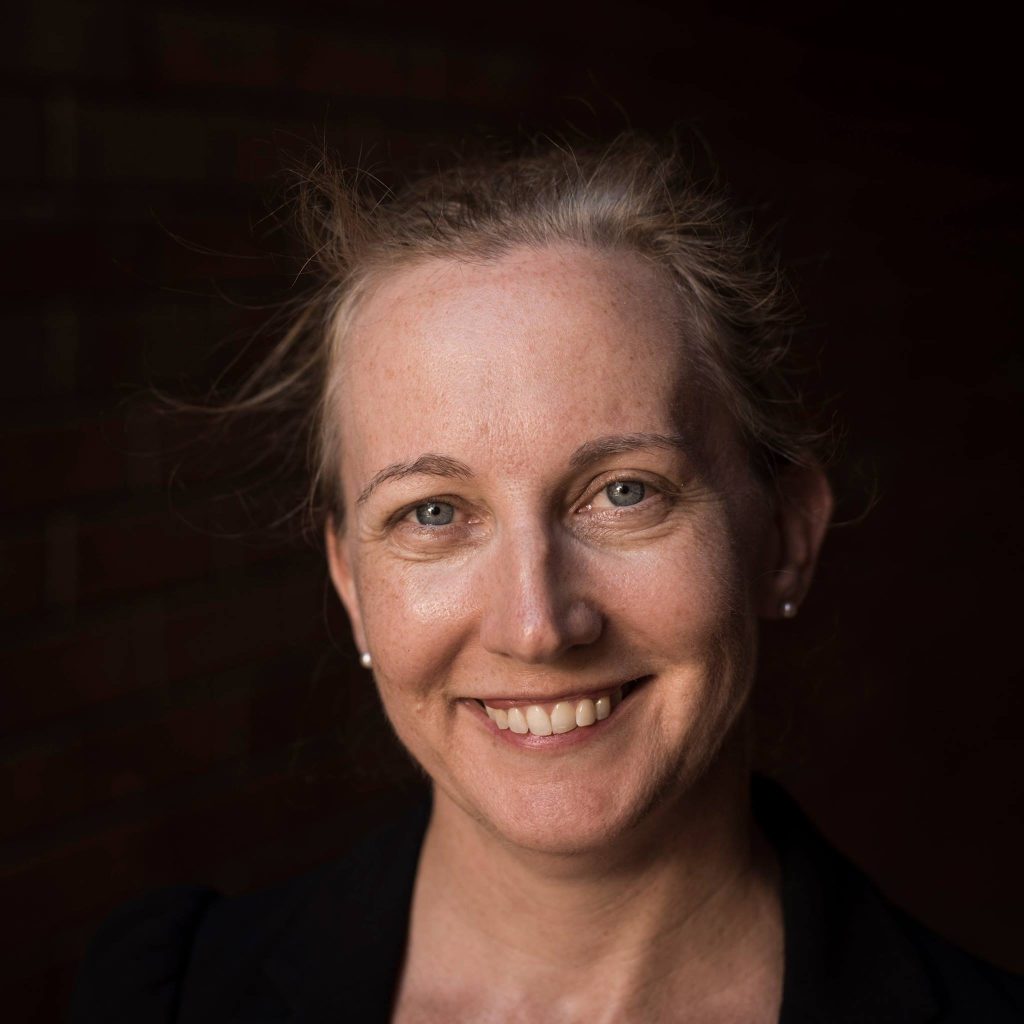
Josie Van Stade Ryan
Josie van Stade Ryan is a Sydney-based soprano, vocal coach and researcher. She holds a Master of Music in Early Vocal Music and…
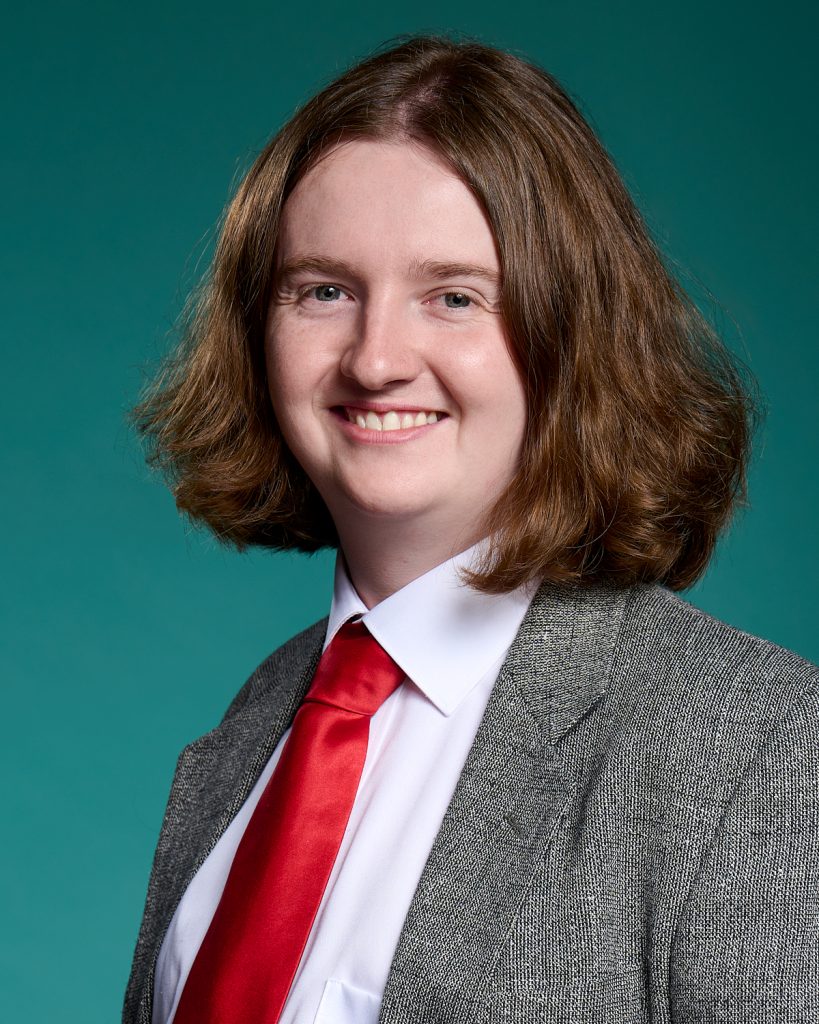
Nicholas Williams
Dr Nicholas Williams is a pianist and scholar based in Perth. He studied at the Western Australian Academy of Performing Arts…
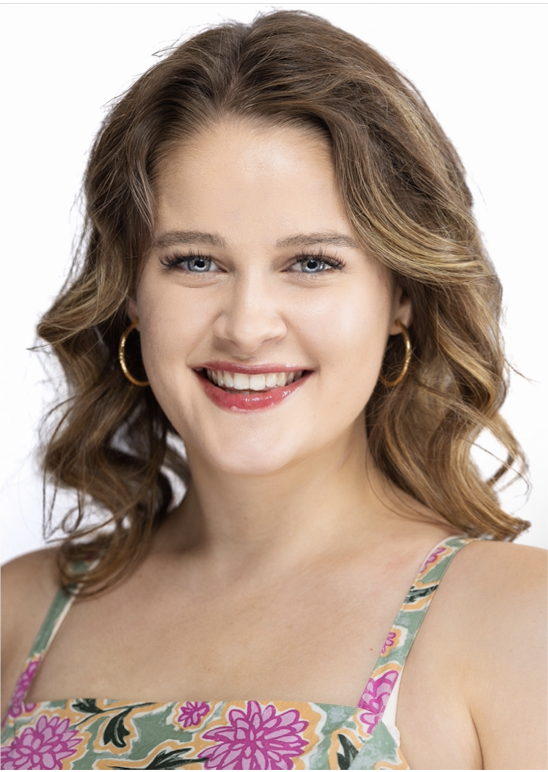
Charis Postmus
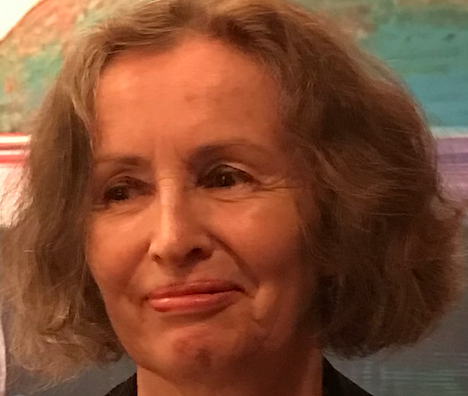
Petra Kirchner
Petra Premanjali Kirchner is a keyboard artist and researcher whose work integrates performance, improvisation, and…
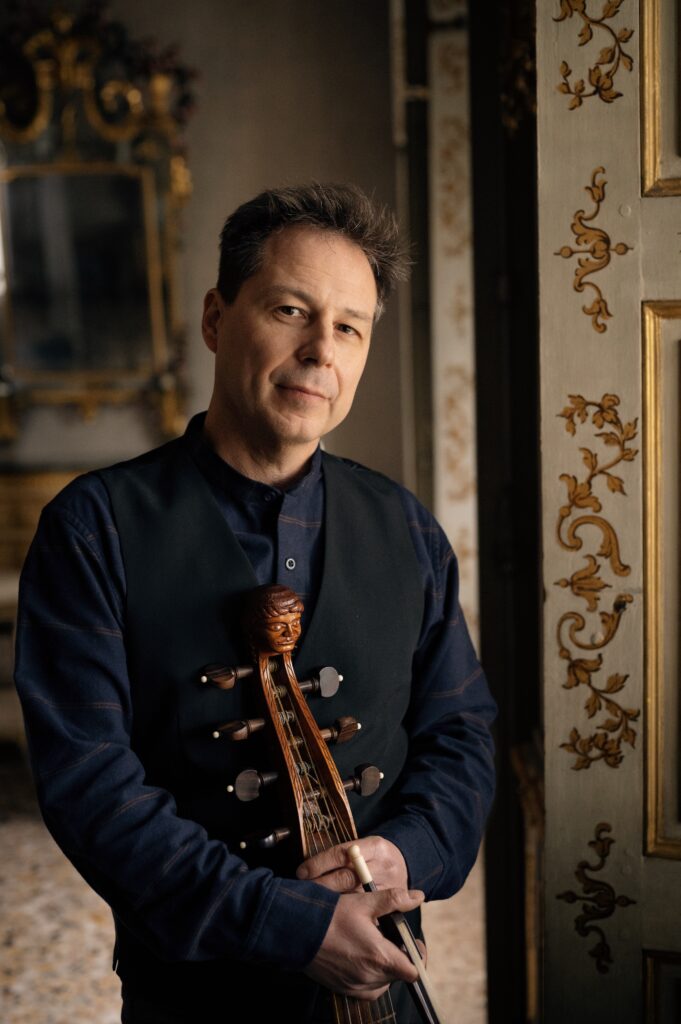
Guido Balestracci
Guido Balestracci was born in Turin in 1971. Immediately after completing his studies at the Schola Cantorum in Basel, he began a…

Elizabeth Dobbin
Dorian Bandy
Connor Fogel
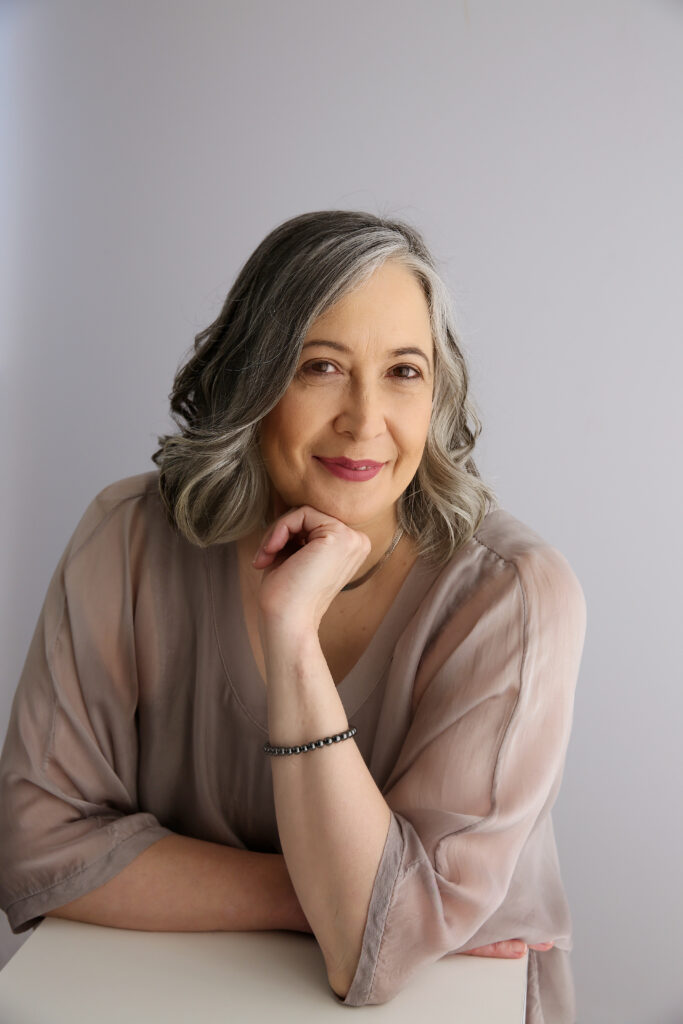
Linda Barcan
Lyric mezzo-soprano Linda Barcan trained in theatre and singing voice at the University of Newcastle, the National Institute of Dramatic Art…
Coady Green
Giulio Biddau
Linda Shoostovian
Hazal Akyaz
Sebastian Bausch
Jeanne-Marie Lelièvre
Laura Granero
Karen Cummings
Damian Barbeler
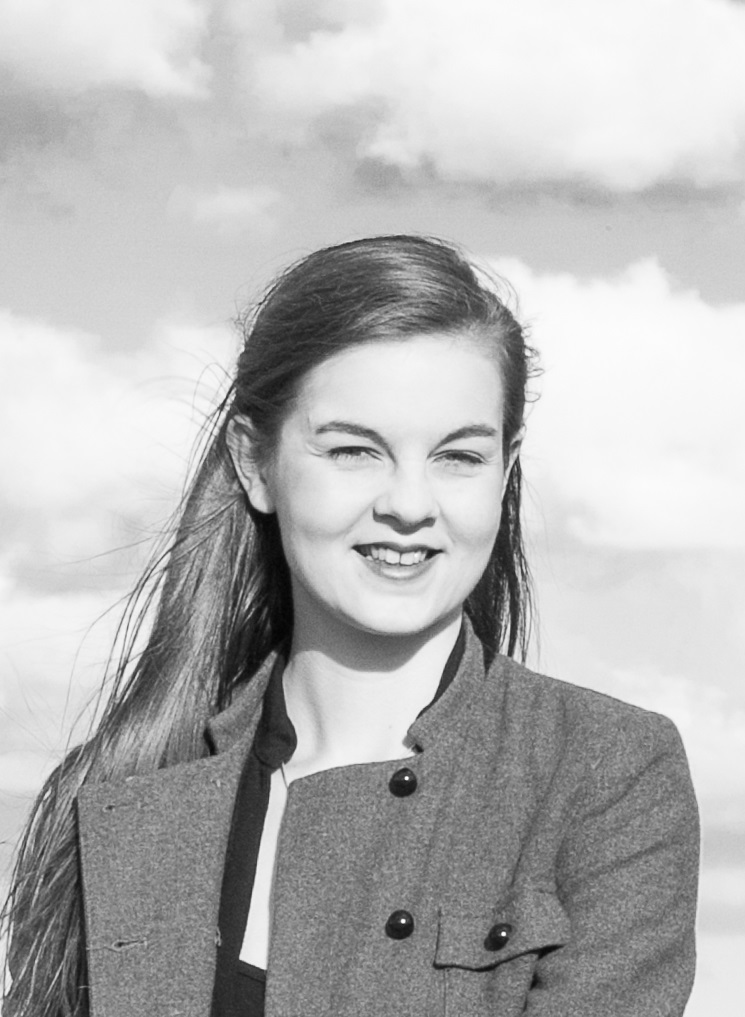
Brianna Robertson-Kirkland